
What's Happening?
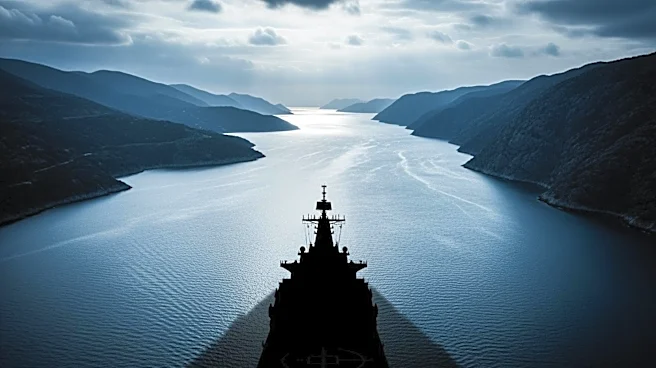
President Trump has announced a blockade of the Strait of Hormuz after a marathon round of peace talks between the U.S. and Iran failed to produce an agreement. The talks, which took place over the weekend,
were aimed at resolving ongoing tensions and preventing further escalation in the region. The collapse of these negotiations has led to heightened concerns over the stability of oil prices, as the Strait of Hormuz is a critical chokepoint for global oil shipments. The blockade is expected to have significant implications for international trade and energy markets.
Why It's Important?
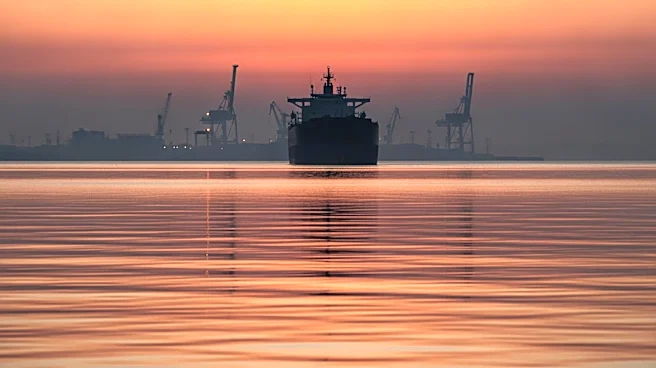
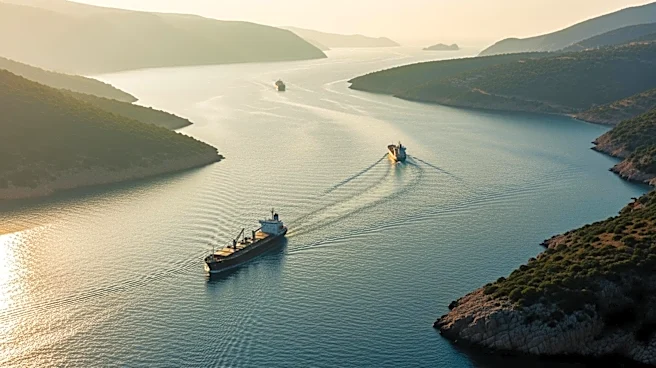
The blockade of the Strait of Hormuz by the U.S. is a significant geopolitical move that could have far-reaching consequences for global energy markets and international relations. The strait is one of the world's most important oil transit chokepoints, with a substantial portion of the world's petroleum passing through it. Disruptions in this area can lead to increased oil prices, which in turn can fuel inflation and impact economies worldwide. The decision to implement a blockade underscores the escalating tensions between the U.S. and Iran, potentially affecting diplomatic relations and regional stability.
What's Next?
The international community is likely to respond to the U.S. blockade with a mix of diplomatic efforts and strategic planning to mitigate the impact on global oil supplies. Countries dependent on oil shipments through the Strait of Hormuz may seek alternative routes or increase their strategic reserves. Additionally, there may be increased diplomatic efforts to resume negotiations between the U.S. and Iran to de-escalate the situation. The blockade could also prompt discussions within international organizations about the security of global trade routes and the need for collective action to ensure their safety.