








What's Happening?
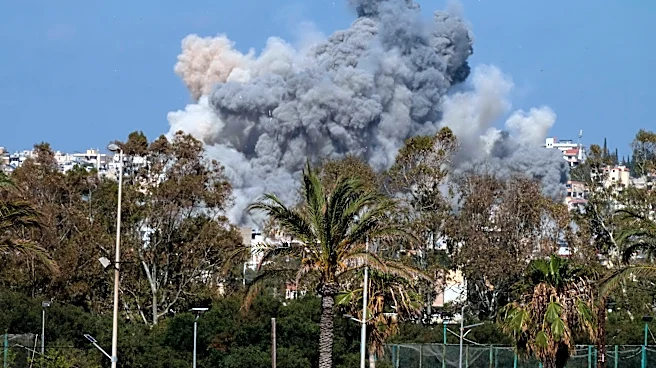
The Israeli Defense Forces (IDF), under the command of Col. Benny Kata, are adapting to a changing security landscape in Syria. The IDF's 474th Golan and Hermon Brigade is focusing on preventing the establishment of terrorist infrastructure near the Israeli border.
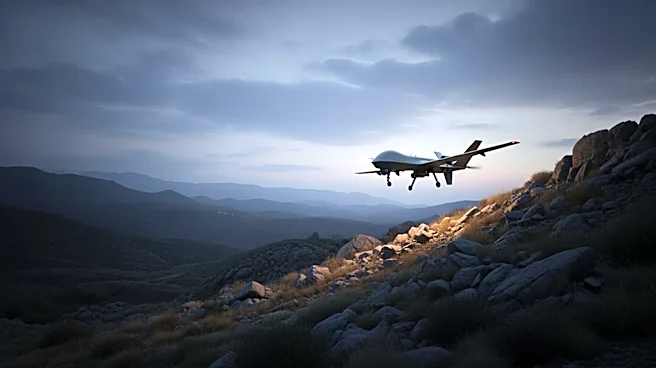
This comes amid the rise of a new regime in Syria, which is attempting to rebuild its military capabilities. The IDF is also addressing technological advancements in warfare, such as the potential use of drones, by developing new weapons systems. Additionally, the IDF is committed to protecting Druze communities in southern Syria from militant attacks, having previously intervened to prevent violence against them. The brigade is also dealing with ethical challenges, such as looting during operations, and the unauthorized crossing of Israeli civilians into Syrian territory, which complicates military operations.
Why It's Important?
The IDF's actions in Syria are crucial for maintaining regional stability and protecting Israeli borders from potential threats. The focus on preventing the buildup of hostile forces near the Golan Heights is vital for Israel's national security. The IDF's proactive measures to protect Druze communities highlight Israel's commitment to regional allies and could influence diplomatic relations with neighboring countries. The technological advancements in warfare, such as the use of drones, underscore the need for continuous innovation in military strategy. The ethical challenges faced by the IDF, including looting and civilian incursions, reflect broader issues of military conduct and civilian-military relations, which could impact public perception and policy decisions.
What's Next?
The IDF will continue to monitor and adapt to the evolving security situation in Syria, focusing on preventing the transfer of advanced weapons to hostile groups like Hezbollah. The brigade will maintain its presence near the border to deter any potential threats and ensure the safety of local communities. The IDF is likely to enhance its technological capabilities to counter emerging threats, such as drone warfare. Additionally, the Israeli government may need to address the issue of civilian incursions into Syria, potentially through increased border security measures or public awareness campaigns. The ongoing conflict and military operations will require sustained support from the families of IDF personnel, highlighting the need for comprehensive support systems for military families.
Beyond the Headlines
The situation in Syria presents complex ethical and operational challenges for the IDF. The issue of looting during military operations raises questions about the conduct of soldiers and the enforcement of military discipline. The unauthorized crossing of Israeli civilians into Syria not only poses a security risk but also highlights the need for clear communication and coordination between military and civilian authorities. The IDF's commitment to protecting Druze communities reflects broader geopolitical considerations, as Israel seeks to maintain stability and foster alliances in a volatile region. The evolving nature of warfare, with the increasing use of technology, requires continuous adaptation and innovation in military strategy, which could have long-term implications for defense policies and international relations.