






What's Happening?
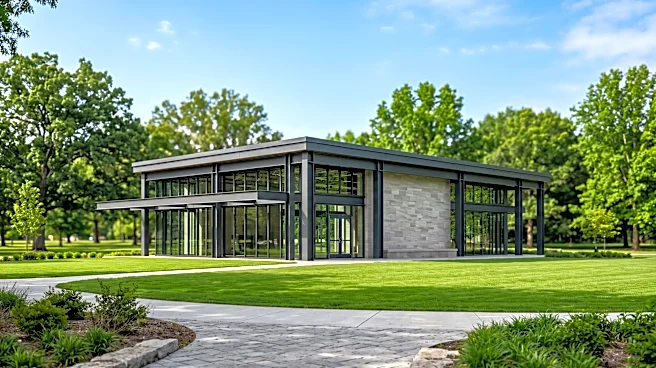
The Parkersburg City Council has passed the second reading of an ordinance establishing rental rates for the new Simms Powell Pavilion in City Park. The approved ordinance includes an amendment for a six-month review of the pavilion's usage. Councilwoman
Wendy Tuck, representing District 4, initially proposed quarterly reports to detail rental specifics, including who is renting, facility usage, hourly rates, additional fees, rental duration, and total costs. While her quarterly reporting proposal was voted down, the council instead approved a six-month reporting amendment. Council President Andrew Borkowski stated he supported the intent of reporting but felt Tuck's amendment should be a separate resolution. The approved rate schedule sets private rentals at a two-hour minimum, costing $150 per hour for groups under 50 attendees and $250 per hour for groups over 50, including access to the conference room, kitchen, and gymnasium. Arena rentals are priced at $1,000 per day for nonprofits and $3,000 for for-profits, with gym add-ons available. Multi-day arena rentals receive discounts, and gym-only rentals are set at $500 for nonprofits and $700 for for-profits per day. The ordinance allows for rate adjustments based on the nature and scope of the rental, subject to Development Department review.
Why It's Important?
This decision by the Parkersburg City Council is significant for the management and accessibility of public facilities within the city. The establishment of clear rental rates provides transparency and predictability for potential users, from private citizens to nonprofit organizations and businesses. The inclusion of a six-month usage review amendment is particularly important as it allows the city to gather data on the pavilion's utilization and financial performance. This data will be crucial for making informed decisions about future rate adjustments, operational policies, and ensuring the facility meets community needs. Councilwoman Tuck's concerns about monitoring usage, especially by nonprofits and the effectiveness of the gym fee, highlight the importance of accountability and data-driven governance. Without such reviews, the city risks mismanaging a valuable public asset, potentially leading to underutilization or financial inefficiencies, as seen in past city services like sanitation and the recycling center.
What's Next?
With the ordinance now approved, the Simms Powell Pavilion will proceed with its established rental rates. The Development Department will begin implementing the rental contract and agreement process, and the facility will become available for bookings. Over the next six months, the city will collect data on the pavilion's usage, including rental frequency, types of groups utilizing the space, and revenue generated. This information will be compiled for the mandated six-month review, which will likely involve discussions within the City Council and potentially with the Development Department. Based on this review, the council may consider further adjustments to the rates, policies, or marketing strategies to optimize the pavilion's use and ensure its financial viability and community benefit. Budget hearings, expected within six months of the building's opening, will also play a role in these ongoing evaluations.
Beyond the Headlines
The debate over the pavilion's rental rates and reporting mechanisms touches upon broader themes of public asset management, community access, and governmental transparency. The initial push for quarterly reporting and the eventual compromise on a six-month review reflect the tension between detailed oversight and administrative practicality. The council's decision will influence how accessible the pavilion is to various community groups, particularly nonprofits, and whether it truly serves as a community hub or primarily as a revenue-generating facility. The long-term success of the pavilion will depend not only on its physical amenities but also on the city's ability to adapt its policies based on real-world usage data, ensuring it remains a valued resource for Parkersburg residents. This process also underscores the importance of council members advocating for robust oversight to prevent past mistakes in managing public services.