


What's Happening?
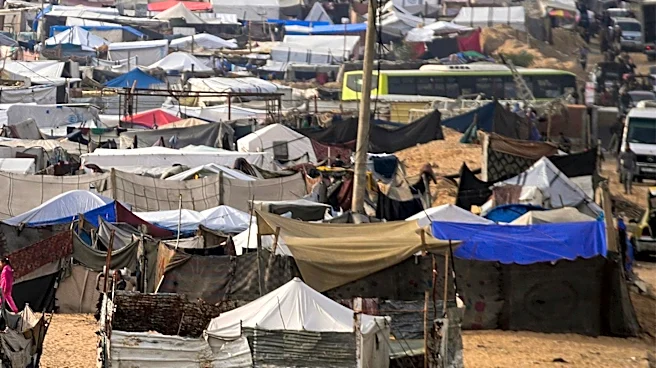
Funding cuts and the withdrawal of aid organizations are jeopardizing essential water, sanitation, and health services for approximately 150,000 displaced individuals residing in the Bentiu and Malakal camps in South Sudan. According to MSF, these communities,
particularly in the states of Upper Nile and Unity, are heavily reliant on external aid. The reduction in resources is leading to a scaling back of already limited services, putting water supply, waste collection, latrine maintenance, and basic healthcare at risk of collapse. In Bentiu, which houses about 111,000 people in a flood-prone area, an MSF assessment revealed that around 60 people share one functioning latrine, and only 109 handwashing stations serve the entire camp, with widespread open defecation. This situation significantly increases the risk of cholera and other waterborne diseases among the displaced population. The camps, established in 2013 for those fleeing violence, have transitioned from Protection of Civilians sites to conventional internal displacement camps under government authority, but the humanitarian needs persist.
Why It's Important?
The deteriorating humanitarian situation in South Sudan's Bentiu and Malakal camps highlights a critical global health and human rights concern. The withdrawal of aid and subsequent funding cuts directly impact the health and well-being of 150,000 displaced people, making them highly vulnerable to preventable diseases like cholera. This crisis underscores the fragility of humanitarian aid structures and the severe consequences when international support diminishes for vulnerable populations. The potential for a public health emergency in these camps could lead to widespread illness and mortality, further destabilizing an already fragile region. It also raises questions about the long-term responsibility for displaced populations once camps transition to government authority, especially when local infrastructure and resources are insufficient to meet basic needs. The situation serves as a stark reminder of the ongoing challenges in post-conflict recovery and the necessity of sustained international engagement.
What's Next?
MSF is urgently calling on donors and humanitarian organizations to immediately address the funding shortfalls. The primary goal is to maintain critical water, sanitation, hygiene, and health services to prevent a renewed public health emergency in the Bentiu and Malakal camps. Without immediate intervention, the existing services are at risk of total collapse in the coming months. The transfer of these camps to government authorities, while a change in status, does not alleviate the humanitarian needs of the residents. Therefore, as long as people remain in these displacement sites, minimum WASH, health, food, and nutrition services must be sustained. The international community's response to MSF's appeal will determine the immediate future and health outcomes for the 150,000 displaced individuals facing increased risks of disease outbreaks.
Beyond the Headlines
The crisis in South Sudan's displacement camps extends beyond immediate health concerns, touching upon deeper issues of protracted displacement, the ethics of humanitarian aid withdrawal, and the long-term stability of post-conflict regions. Many residents in these camps, like Nysunday Dobuol, have endured conflict, flooding, and disease, and remain unable or unwilling to return home safely. A survey in February 2026 by the International Organization for Migration (IOM) indicated that 55% of households in Bentiu considered their intended destinations unsafe. This highlights the complex interplay of security, infrastructure, and social factors that prevent safe returns. The situation also brings to light the ethical dilemma faced by aid organizations when funding dwindles, forcing them to scale back essential services, and the broader implications for international responsibility towards populations displaced by conflict and natural disasters.