






What's Happening?
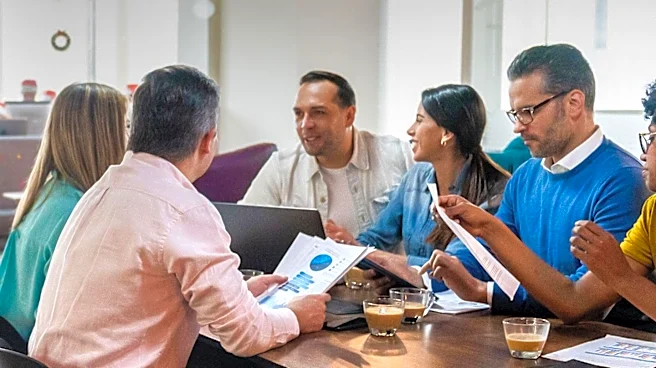
Millennials, defined as those born between 1981 and 1996, now represent the largest portion of the U.S. workforce, accounting for approximately 36 percent. This generation is characterized by a preference for collaborative work environments and comfort
with digital tools. According to Deloitte Global's 2025 Gen Z and Millennial Survey, a significant 92 percent of millennials believe that having a sense of purpose is crucial for their job satisfaction and overall well-being. They also place a high value on professional development. Workforce experts, such as David Stillman, Co-Founder of GenGuru, emphasize the importance of regular and ongoing feedback for millennials, suggesting it should be like a 'dashboard' rather than an annual review. This approach allows them to continuously understand their performance. The generation's work-life balance values also distinguish them from older generations like Baby Boomers, who may prioritize closing a sale above all else, as noted by Stormy Friday, President of The Friday Group.
Why It's Important?
The dominance of millennials in the U.S. workforce signifies a fundamental shift in workplace dynamics and management strategies. Their emphasis on purpose, professional development, and continuous feedback necessitates that employers adapt their organizational cultures and leadership styles. Companies that fail to recognize and cater to these millennial values risk higher employee turnover and reduced productivity. The preference for collaborative environments and digital tools also means that businesses must invest in modern technologies and foster inclusive, team-oriented settings. This generational shift impacts human resources policies, training programs, and even the physical design of workspaces. Furthermore, the millennial focus on work-life balance, as highlighted by Stormy Friday, suggests a broader societal trend towards prioritizing personal well-being alongside career advancement, potentially influencing future labor laws and corporate benefits packages. Understanding these characteristics is vital for maintaining a competitive and engaged workforce in the evolving U.S. economic landscape.
What's Next?
As millennials continue to shape the U.S. workforce, organizations are expected to further refine their strategies to attract, retain, and motivate this demographic. This will likely involve increased investment in employee development programs, mentorship opportunities, and initiatives that clearly articulate a company's mission and societal impact. The demand for continuous feedback will push companies to implement more agile performance management systems, moving away from traditional annual reviews towards more frequent, informal check-ins. Additionally, the emphasis on work-life balance may lead to a greater adoption of flexible work arrangements, remote work options, and comprehensive well-being benefits. Companies that proactively address these millennial expectations are likely to gain a competitive edge in talent acquisition and foster a more engaged and productive workforce. Conversely, those that resist these changes may struggle to adapt to the evolving demands of the modern labor market.
Beyond the Headlines
The rise of millennials as the largest workforce segment has deeper implications beyond immediate workplace adjustments. Their values, particularly the strong desire for purpose and work-life balance, reflect a broader cultural shift away from purely materialistic career goals towards more holistic definitions of success. This could lead to a re-evaluation of traditional corporate structures and a greater emphasis on corporate social responsibility. The millennial comfort with digital tools also accelerates the integration of technology into all aspects of work, potentially driving innovation and efficiency but also raising questions about digital literacy and equitable access. Furthermore, their demand for transparency and authenticity could influence leadership styles, promoting more open and communicative management. This generational influence extends beyond the workplace, potentially shaping consumer markets, political discourse, and societal norms as their economic and social power grows.