





What's Happening?
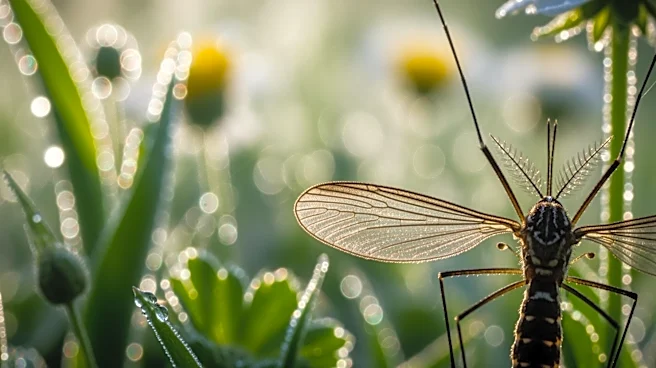
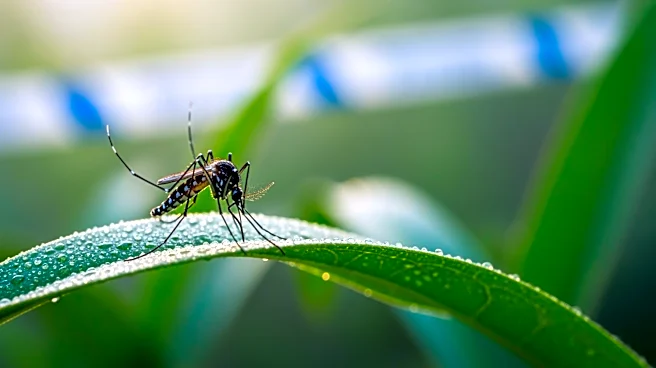
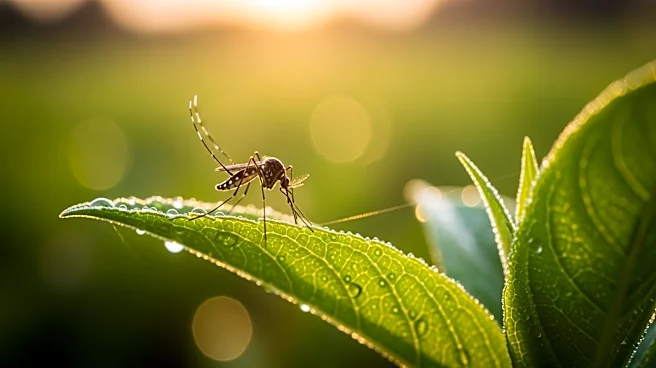
Warmer temperatures and heavy rainfall are creating ideal conditions for a severe mosquito season across the United States. According to Dan Markowski, Ph.D., Technical Advisor for the American Mosquito Control Association, the erratic winter weather
combined with surging spring temperatures and higher-than-average precipitation is setting the stage for an early and aggressive mosquito season. The midwest, west, and south-central U.S. are expected to be particularly affected. Markowski emphasizes the importance of eliminating mosquito breeding sites, such as stagnant water, to manage mosquito populations effectively. He advises against using mosquito traps and bug zappers, as they are ineffective and can harm beneficial insects.
Why It's Important?
The increase in mosquito populations poses a significant public health concern, as mosquitoes are vectors for diseases such as West Nile virus and Zika virus. The early and aggressive mosquito season could lead to higher incidences of these diseases, impacting public health systems and increasing healthcare costs. Additionally, the presence of mosquitoes can affect outdoor activities and tourism, potentially impacting local economies. Effective mosquito control measures are crucial to mitigate these risks and protect public health.
What's Next?
Residents in affected areas are encouraged to take proactive measures to reduce mosquito breeding sites by removing stagnant water from their properties. Local governments and health departments may increase public awareness campaigns and implement mosquito control programs. Continued monitoring of mosquito populations and disease outbreaks will be essential to respond effectively to the evolving situation.