



What's Happening?
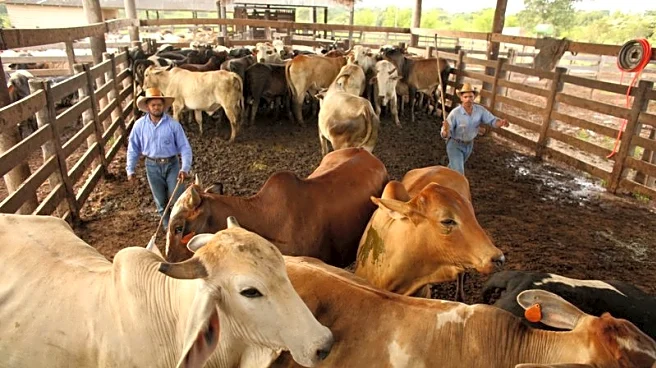
Brazil's sustainable farming market is projected to grow significantly, reaching $89,392.3 million by 2032, with a compound annual growth rate (CAGR) of 10.12% from 2025 to 2032. This growth is attributed to Brazil's position as a leading global agricultural
producer, supported by vast arable land, favorable climate conditions, and the adoption of advanced agricultural technologies. Government-led sustainability initiatives are a major driver, promoting low-carbon agriculture and environmentally responsible agribusiness practices. Brazil has committed to reducing greenhouse gas emissions by 48% by 2025 and 53% by 2030, encouraging the adoption of sustainable farming methods. The Central-West region of Brazil leads the market with a 38.6% share, driven by precision agriculture and regenerative farming adoption.
Why It's Important?
The expansion of Brazil's sustainable farming market is crucial for several reasons. It supports the country's commitment to reducing greenhouse gas emissions and aligns with global environmental standards. The growth of this market also ensures long-term food security and economic growth by enhancing agricultural productivity through sustainable practices. This transition is supported by international investors and industry stakeholders, which strengthens Brazil's position as a key hub for sustainable agriculture. The adoption of innovative cultivation techniques and eco-friendly technologies not only improves soil health and resource use but also minimizes environmental impact, offering both environmental benefits and strong economic returns.
What's Next?
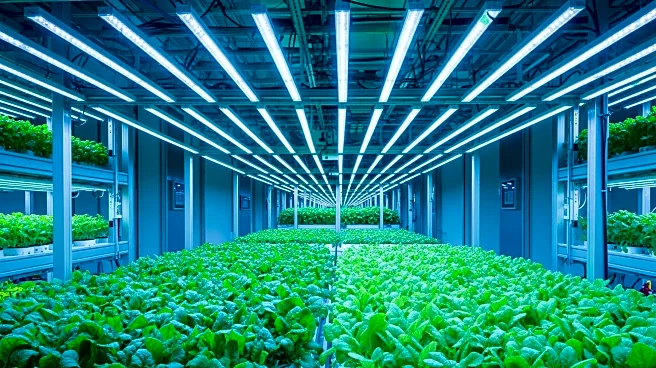
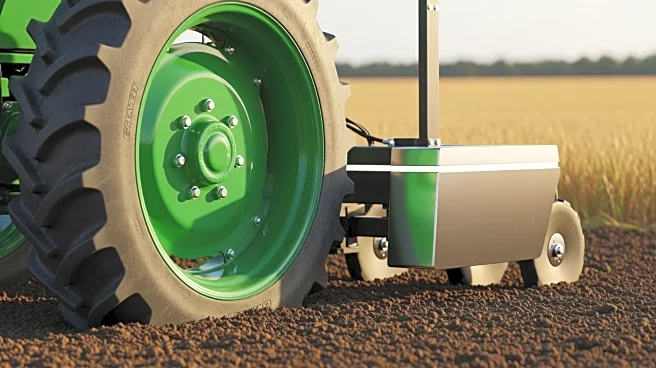
Brazil's sustainable farming market is expected to continue its growth trajectory, with further investments in precision agriculture, biological crop protection, and digital farm management platforms. The government and industry stakeholders are likely to enhance support for sustainable farming initiatives, focusing on climate-smart agriculture and improved rural infrastructure. As the market expands, more farmers are expected to adopt sustainable practices, driven by government policies and international collaborations. The ongoing development of sustainable agro-industrial chains and the introduction of new products, such as BASF's Adapzo® Active fungicide, will further support the market's growth.
Beyond the Headlines
The shift towards sustainable farming in Brazil has deeper implications beyond economic growth. It represents a cultural shift towards more environmentally responsible agricultural practices, which could influence global agricultural trends. The focus on sustainability also highlights ethical considerations, as it addresses the environmental impact of traditional farming methods. This transition may lead to long-term shifts in consumer preferences, with increased demand for sustainably produced agricultural products. Additionally, the collaboration between global agribusiness corporations and local farmers could foster innovation and knowledge exchange, further advancing sustainable agriculture practices.