



What's Happening?
The Philippine Truth Commission, established in May 2026 by the church and civil society, has begun public truth-telling sessions to document human rights violations committed during former President Rodrigo Duterte's 'war on drugs.' Lorna Carina Pepaño
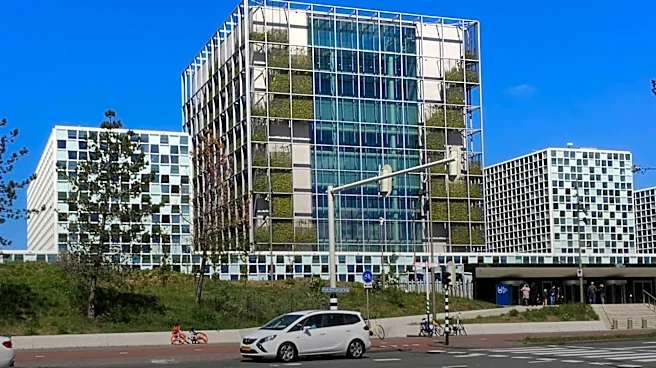
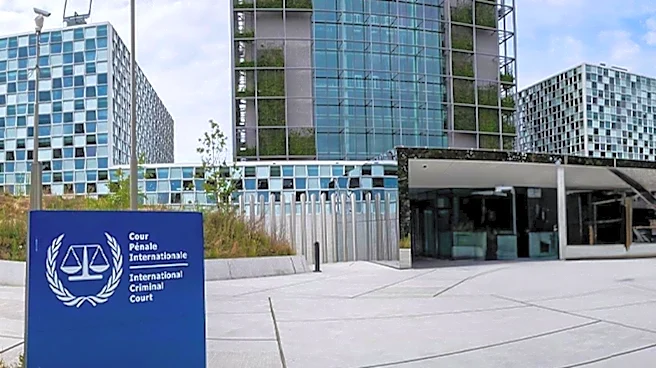
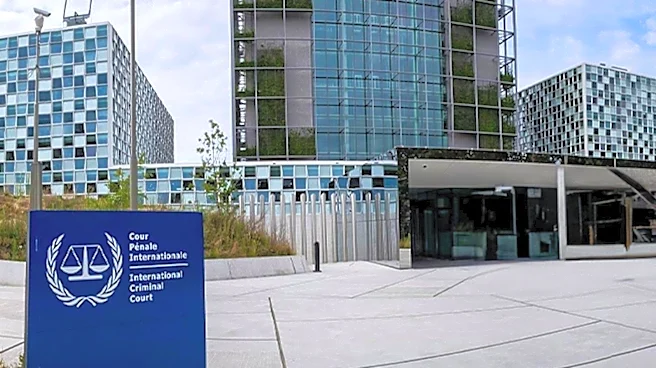
testified on October 9, 2026, recounting the violent death of her son, Christian, who was killed by 'riding-in-tandem' vigilantes in May 2020. The Commission, chaired by former ICC judge Raul Pangalangan, aims to build a reliable record of the estimated 30,000 extrajudicial killings that occurred between 2016 and 2022. This civilian-led initiative runs parallel to the International Criminal Court (ICC) prosecution of Duterte, whose trial is scheduled to begin on November 30, 2026, in The Hague. The Commission's work includes archiving cases, conducting investigations, and holding public hearings to provide a platform for victims and survivors.
Why It's Important?
The establishment and ongoing work of the Philippine Truth Commission are crucial for addressing the widespread human rights abuses that occurred during Duterte's 'war on drugs.' This civilian-led initiative provides a vital avenue for victims and their families to seek truth and acknowledgment, which is often a precursor to healing and justice. By meticulously documenting cases and providing a public forum for testimonies, the Commission aims to create an undeniable record of the atrocities, which can serve as a foundation for future accountability and reparations. The parallel proceedings with the ICC trial underscore the dual approach to justice—both domestic and international—and highlight the global concern over the scale of the killings. This effort is significant for Philippine society as it grapples with a period of intense violence and seeks to prevent similar abuses in the future.
What's Next?
The Philippine Truth Commission plans to continue its public truth-telling sessions and investigative work, with a conference scheduled for November 23, 2026, to present initial findings. This report will summarize documented killings and their locations, laying groundwork for accountability and reforms. Concurrently, former President Duterte's trial at the International Criminal Court is set to commence on November 30, 2026. The outcomes of both the Commission's findings and the ICC trial will be closely watched, as they could significantly impact the pursuit of justice for victims and potentially lead to legal consequences for those responsible. The Commission's work may also influence public discourse and policy reforms aimed at preventing future human rights violations in the Philippines.
Beyond the Headlines
The Philippine Truth Commission's efforts extend beyond legal accountability, aiming to address the deep societal trauma inflicted by the 'war on drugs.' By creating a 'safe space' for victims to share their stories, the Commission facilitates a collective healing process and challenges the culture of impunity that may have taken root. The involvement of religious and civil society groups underscores the moral and ethical dimensions of seeking truth and justice in the face of state-sanctioned violence. This initiative also highlights the resilience of civil society in demanding accountability when state institutions may be perceived as failing. The long-term implications include fostering a stronger human rights culture in the Philippines and potentially serving as a model for other nations grappling with similar histories of widespread human rights abuses.