



What's Happening?
A new investigation by NPR and Boston University reveals that approximately 9,000 Americans die from heat-related causes annually, a figure more than five times higher than federal statistics indicate. A significant portion of these deaths occurs among
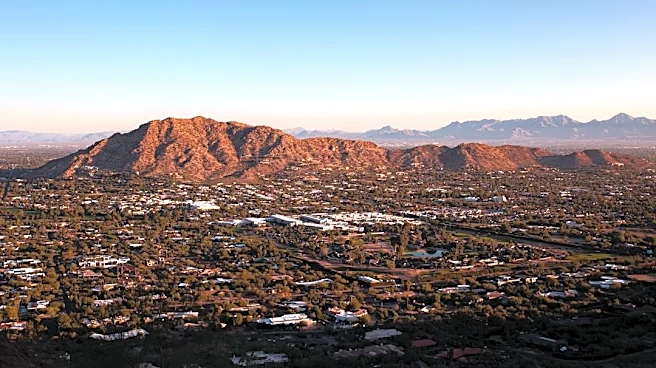
residents of manufactured homes, such as mobile homes and trailers. Research by geographer Patricia Solis at Arizona State University found that mobile home residents in Maricopa County are six to eight times more likely to die from heat-related issues compared to those in traditional housing. This heightened vulnerability is attributed to several factors, including the age and condition of many manufactured homes, which often have poor insulation and inadequate cooling systems. Many older units, built before stricter federal building codes were enacted in 1976, are not designed to withstand extreme temperatures. Additionally, the financial constraints faced by many residents make it difficult to afford necessary repairs or high electricity bills for cooling, leading them to 'tough it out' in dangerously hot indoor environments. The story of Sheri Petty, a 76-year-old who died from heatstroke in her Tucson trailer after her air conditioning failed and she couldn't afford repairs, exemplifies this critical issue.
Why It's Important?
This issue highlights a critical public health crisis disproportionately affecting a vulnerable segment of the U.S. population. The undercounting of heat-related deaths means the true scale of the problem is often overlooked, hindering effective policy responses and resource allocation. The increased risk for manufactured home residents underscores systemic inequalities, as these communities often comprise individuals with limited financial resources and pre-existing health conditions, making them more susceptible to extreme heat. The structural deficiencies of older manufactured homes, coupled with the financial burden of cooling, create a deadly combination. This situation also points to the broader implications of climate change, as rising temperatures and more frequent heatwaves exacerbate these risks. The lack of adequate cooling infrastructure and financial support in these communities can lead to severe health outcomes, including heatstroke and death, placing additional strain on healthcare systems and emergency services. Addressing this disparity is crucial for public health equity and climate resilience.
What's Next?
Officials in Arizona and various non-profit organizations are beginning to implement programs to address the heightened risks faced by manufactured home residents. These initiatives include efforts to legally permit modifications like shade sails and window air conditioners, and programs to help residents upgrade their homes' insulation, electrical systems, and cooling systems. However, these programs are often oversubscribed, indicating a need for significant scaling up. There is also a growing emphasis on education and outreach, with specialists organizing door-knocking campaigns in at-risk mobile home parks to raise awareness about heat risks and available resources. Future steps will likely involve increased funding for these programs, policy changes to ensure equitable access to cooling assistance, and potentially stricter regulations for manufactured home park landlords regarding infrastructure maintenance and utility billing practices. A conceptual shift is also needed to recognize that climate change impacts are not solely an outdoor phenomenon but also critically affect indoor environments, particularly for vulnerable populations.
Beyond the Headlines
The disproportionate impact of heat-related deaths on manufactured home residents exposes deeper societal and economic vulnerabilities. The complex ownership structures, where residents often own the home but not the land, disincentivize significant investments in home improvements like insulation, as traditional mortgages are often unavailable. This creates a cycle of neglect and vulnerability, trapping residents in substandard housing conditions. The issue also touches upon the ethical responsibility of local governments and private equity firms, which increasingly own mobile home parks, to ensure safe living conditions for their tenants. The 'master metered' billing practices in some parks further complicate matters, making residents ineligible for direct utility assistance and leading to 'exorbitant' electricity bills. This situation highlights a systemic failure to protect economically disadvantaged communities from the escalating threats of climate change, raising questions about housing justice and environmental equity. The long-term implications include potential displacement, increased health disparities, and a growing demand for climate-resilient housing solutions.