








What's Happening?
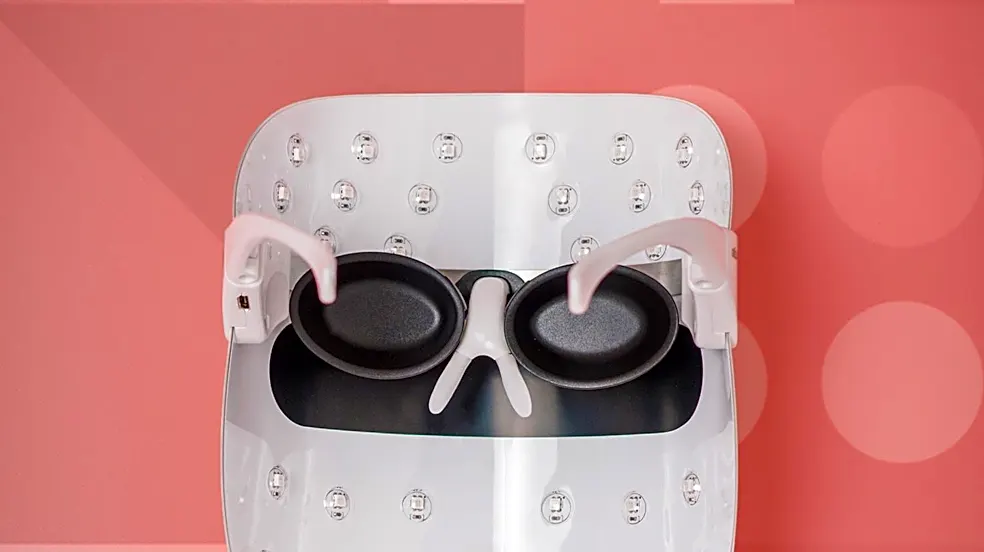
Red light therapy (RLT), also known as photobiomodulation (PBM), utilizes red and near-infrared light to stimulate cellular responses, aiming to promote healing and reduce inflammation. Research suggests its application in various areas, including skin
concerns like contact dermatitis, where it can minimize inflammation, soothe itchy skin, and address redness. Near-infrared light, with its deeper penetration, is particularly noted for inflammation reduction and wound healing. RLT is also being explored for its potential in supporting lymphatic drainage by influencing inflammation and tissue repair. While commonly associated with skincare benefits such as reducing fine lines and boosting collagen, studies also indicate its potential effectiveness for joint pain and exercise recovery. However, the certainty of evidence varies across different applications, with some areas showing stronger signals than others. It is important to note that RLT is not a substitute for prescribed medical treatments, especially for conditions like eczema.
Why It's Important?
The growing body of research on red light therapy holds significant implications for the healthcare and wellness industries in the U.S. If further validated with high-certainty evidence, RLT could offer non-invasive and potentially effective complementary treatments for a range of conditions, from chronic skin issues to musculoskeletal pain. This could lead to increased demand for RLT devices and services, impacting manufacturers, clinics, and at-home wellness markets. For individuals suffering from conditions like contact dermatitis or joint pain, RLT could provide additional relief options, potentially improving quality of life. However, the varying certainty of evidence underscores the need for consumers and healthcare providers to critically evaluate claims and ensure that RLT is used appropriately, often as an adjunct to conventional medical care rather than a replacement. The distinction between different wavelengths and delivery methods also highlights the importance of informed choices in product selection and treatment protocols.
What's Next?
Future developments in red light therapy are likely to focus on more rigorous clinical trials to establish higher certainty evidence for its various applications. Researchers will continue to investigate optimal wavelengths, dosages, and delivery methods to maximize therapeutic benefits and ensure safety. The medical community, including dermatologists and pain management specialists, will likely further evaluate RLT's role in treatment protocols, potentially leading to more widespread adoption in clinical settings. For consumers, the market for at-home RLT devices is expected to continue expanding, necessitating clearer guidelines and regulations to ensure product efficacy and safety. As research progresses, there may be a greater emphasis on personalized RLT treatments tailored to specific conditions and individual needs, moving beyond generalized claims to more targeted applications. Continued education for both practitioners and the public will be crucial to navigate the evolving landscape of RLT.
Beyond the Headlines
Beyond its immediate therapeutic applications, the rise of red light therapy reflects a broader trend in healthcare towards non-pharmacological and light-based interventions. This development touches upon ethical considerations regarding the marketing of wellness products, particularly the need for transparency about scientific evidence and limitations. The distinction between clinical-grade devices and consumer products, and the varying levels of research supporting each, presents a challenge for both regulators and consumers. Furthermore, the integration of RLT into mainstream healthcare could spark discussions about insurance coverage and accessibility, ensuring that these potentially beneficial therapies are available to a wider population. The ongoing research also highlights the complex interplay between technology, biology, and health, pushing the boundaries of how light can be harnessed for therapeutic purposes and potentially influencing future directions in photomedicine and cellular health research.