





What's Happening?
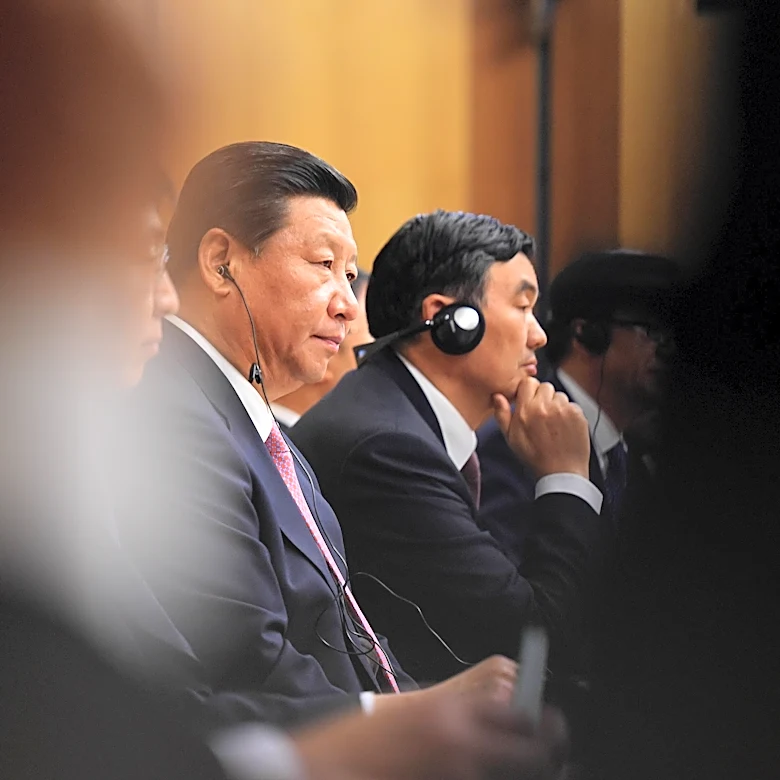
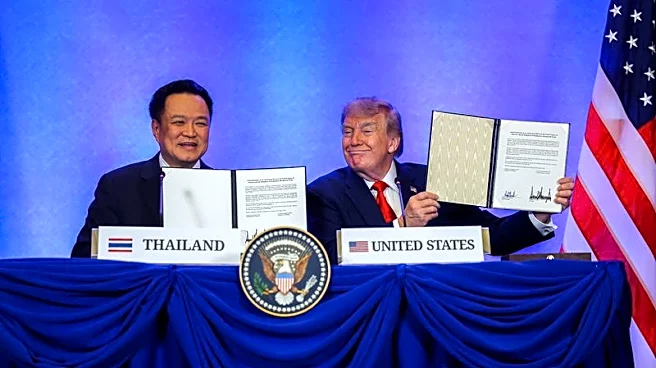
A Myanmar delegation participated in the 49th ASEAN Summit and Related Meetings held in Manila, the Philippines, from November 15 to 17, 2026. The summit, chaired by the Philippines under the theme 'Navigating Our Future, Together,' resulted in 117 documents
covering various cooperation areas. Key discussions included maritime security, food and energy security, migrant workers, climate change, disaster resilience, artificial intelligence (AI) governance, and the digital economy. The Myanmar delegation specifically addressed strengthening ASEAN cooperation on regional energy and food security, as well as Myanmar’s involvement in ASEAN Community-building efforts. They also provided updates on political developments within Myanmar, including actions taken in response to the ASEAN Five-Point Statement and the functioning of the ASEAN Affairs Committee. Prior to the main summit, the delegation attended the ASEAN Foreign Ministers’ Meeting, the 32nd ASEAN Political-Security Community Council Meeting, and the 39th ASEAN Coordinating Council Meeting.
Why It's Important?
The participation of the Myanmar delegation in the 49th ASEAN Summit underscores the ongoing regional efforts to address multifaceted challenges and foster cooperation across Southeast Asia. The wide range of topics covered, from traditional security concerns like maritime and food security to emerging issues such as AI governance and the digital economy, highlights ASEAN's adaptive agenda in a rapidly changing global landscape. For the U.S., a stable and prosperous ASEAN region is crucial for its Indo-Pacific strategy, promoting economic ties, and maintaining regional security. The discussions on AI governance are particularly significant as the U.S. and its allies seek to establish international norms and standards for this transformative technology. Myanmar's engagement, despite its internal political situation, indicates a continued commitment to regional dialogue, which is vital for maintaining stability and addressing shared concerns that could otherwise have broader geopolitical implications.
What's Next?
Following the 49th ASEAN Summit, the focus will shift to the implementation of the 117 documents adopted during the meetings. This will involve continued collaboration among member states on the various initiatives, including those related to AI governance and digital economy development. Myanmar's ongoing updates on its political developments and adherence to the ASEAN Five-Point Statement will likely remain a point of interest for the regional bloc. Further discussions and working group meetings are anticipated to flesh out the details and mechanisms for cooperation in areas such as climate change, disaster resilience, and trade connectivity. The engagement with dialogue partners, including the United States, will also continue, potentially leading to new partnerships and support for ASEAN's regional objectives. The outcomes of these discussions will shape the regional agenda for the coming years, influencing policy and economic trajectories across Southeast Asia.
Beyond the Headlines
The inclusion of AI governance and digital economy as key areas of cooperation at the 49th ASEAN Summit signals a significant shift in regional priorities, reflecting the growing impact of technology on national economies and societies. This focus extends beyond mere economic growth to encompass ethical considerations, regulatory frameworks, and the potential for digital divides. For the U.S., this presents an opportunity to deepen its engagement with ASEAN on critical technological issues, promoting responsible AI development and secure digital infrastructure. The emphasis on gender equality and youth development alongside technological advancements also highlights a holistic approach to regional progress, recognizing that equitable access and participation are essential for sustainable development. The summit's outcomes could lay the groundwork for future regional policies that balance innovation with social responsibility, potentially influencing global standards for technology governance and inclusive growth.