









What's Happening?
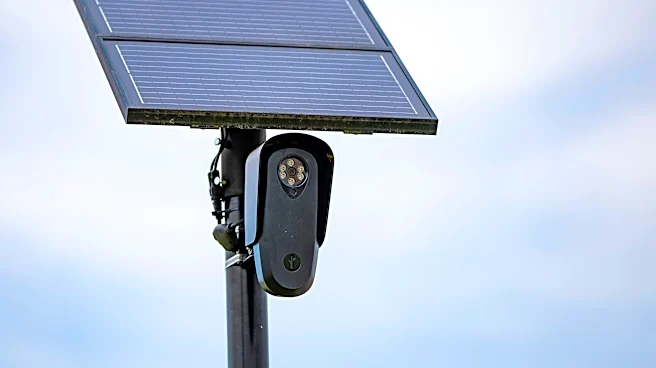
Flock Safety, a company providing a vast network of automated license plate reader (ALPR) cameras, has announced new mandatory changes to its system in response to growing criticism from lawmakers, civil liberties advocates, and the public. The company's
technology, used by thousands of law enforcement agencies in 49 states, records license plate numbers and vehicle characteristics, allowing data sharing across jurisdictions. Critics argue this constitutes unconstitutional warrantless mass surveillance and have cited numerous instances of officers misusing the data for personal reasons. Effective January 1, the new measures include a mandatory audit tool to flag abnormal search behavior, a shortened standard data retention window from 30 days to 7 days, and a requirement for law enforcement users to link each search to a specific case number. Additionally, customers will gain control over which offense types outside agencies can search their data for, allowing them to block searches related to issues like immigration enforcement.
Why It's Important?
These changes represent a significant attempt by Flock Safety to address the widespread privacy concerns and documented abuses associated with its pervasive ALPR technology. The debate surrounding ALPRs highlights a fundamental tension between public safety and individual civil liberties, particularly the Fourth Amendment's protection against unreasonable searches. While law enforcement credits the technology with solving crimes and locating missing persons, the potential for misuse and mass surveillance has sparked a national conversation. The mandatory implementation of audit tools and shorter data retention periods could enhance accountability and reduce unauthorized tracking, potentially setting a new standard for surveillance technology. However, critics remain skeptical, viewing these updates as insufficient to address the core issue of police access without judicial oversight.
What's Next?
The new mandatory changes are set to take effect on January 1. Law enforcement agencies utilizing Flock's technology will be required to implement these new guardrails, including the audit tool and the linking of searches to specific case numbers. The effectiveness of these measures in curbing misuse and alleviating privacy concerns will be closely monitored by civil liberties organizations and lawmakers. Continued public and legislative debate is anticipated regarding the appropriate balance between public safety and individual privacy, which may lead to further policy adjustments, local ordinances, or even federal legislation aimed at regulating surveillance technologies. The company's ability to regain public trust and demonstrate effective self-regulation will be crucial.
Beyond the Headlines
The controversy surrounding Flock Safety's ALPR network reflects a broader societal struggle with the implications of rapidly advancing surveillance technologies in a democratic society. This issue touches upon fundamental questions about the scope of government power, individual autonomy, and the definition of privacy in the digital age. The fact that over 50 agencies have canceled or rejected contracts with Flock, and that federal lawmakers are introducing bills to restrict such technology, indicates a significant and ongoing national discussion about the appropriate limits of surveillance. This development could influence how other technology companies operating in the public safety sector approach data privacy and accountability, potentially leading to industry-wide shifts in practices and regulatory frameworks. The tension between technological capability and ethical governance will continue to be a defining challenge.