






What's Happening?
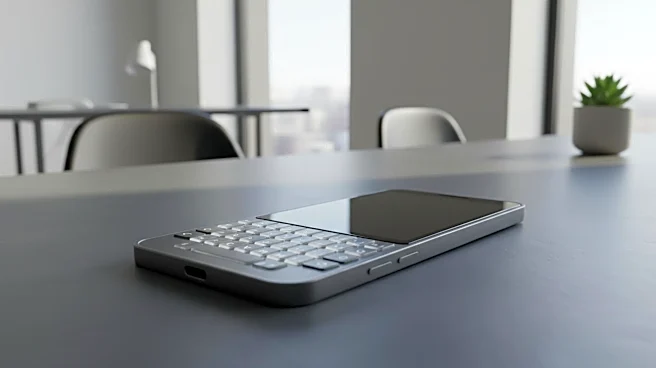
The Minimal Company, based in Los Angeles, has introduced the Minimal Phone 2 (MP2), a new smartphone designed to reduce screen time while offering full Android functionality. The MP2 features an aluminum frame, a 4-inch AMOLED 90-Hz touchscreen, and
a full-size transparent polycarbonate and silicone backlit QWERTY keyboard. This design is a departure from its 2024 predecessor, which used an e-paper screen. The device runs on a Dimensity 8300 processor and includes a 3,000-mAh battery with 27W charging and wireless charging capabilities. It also boasts a 50-megapixel rear camera and a 20-megapixel front camera. A key feature is the Minimal OS, which runs on top of Android, consolidating texts, calls, and emails for quick triaging and allowing users to perform actions like texting or asking an AI directly from the home screen via the keyboard. The MP2 also includes a physical switch to turn off cellular antennas or silence notifications, and settings to block apps or switch to grayscale mode, which require a factory reset to undo. The unlocked model is expected to retail at $699, with crowdfunding options available at $599 for the 8GB RAM/256GB storage version.
Why It's Important?
The launch of the Minimal Phone 2 is significant for the U.S. technology market, particularly for consumers seeking alternatives to conventional, distraction-heavy smartphones. It addresses a growing concern about excessive screen time and digital well-being by offering a device that combines modern smartphone capabilities with features designed to limit distractions. The reintroduction of a physical QWERTY keyboard caters to a niche but dedicated user base that values tactile feedback and efficient text input, potentially appealing to professionals or those nostalgic for classic BlackBerry-style devices. By running a full Android OS, the MP2 avoids the limitations of 'dumb phones' while still promoting mindful usage through its Minimal OS overlay. This approach could influence other smartphone manufacturers to consider integrating more 'digital wellness' features into their products. The crowdfunding success, having raised over $850,000, indicates a strong market demand for such a device, suggesting a shift in consumer priorities towards functionality and reduced digital overload rather than just cutting-edge specifications.
What's Next?
The Minimal Phone 2 is currently in its crowdfunding phase on Kickstarter, with orders slated to ship worldwide in December 2026 if all plans proceed as expected. Following the successful fulfillment of crowdfunding pledges, The Minimal Company will likely focus on broader retail availability and marketing efforts to reach a wider audience beyond early adopters. The company may also release software updates to enhance the Minimal OS and integrate user feedback. The performance of the MP2 in the market will be closely watched, as it could determine the viability of 'distraction-free' smartphones as a mainstream category. Competitors might emerge with similar concepts, or established brands could incorporate elements of the MP2's design philosophy into their future offerings. The long-term success will depend on user adoption, the effectiveness of its distraction-reducing features, and its ability to carve out a sustainable niche in the highly competitive smartphone market.
Beyond the Headlines
The Minimal Phone 2's design and philosophy tap into a deeper societal conversation about our relationship with technology and the pervasive nature of digital distractions. In an era dominated by constant notifications and endless scrolling, the MP2 offers a counter-narrative, suggesting that technology can be powerful without being overwhelming. This product highlights the ethical implications of smartphone design, prompting questions about how devices can be engineered to support user well-being rather than simply maximizing engagement. The physical QWERTY keyboard, while a practical feature, also carries cultural significance, evoking a sense of nostalgia for a time when mobile communication felt more intentional. The MP2's approach could contribute to a broader movement towards 'mindful tech' consumption, encouraging users to be more deliberate about their digital interactions. This shift could have long-term implications for mental health, productivity, and the way individuals integrate technology into their daily lives, fostering a more balanced digital existence.