







What's Happening?
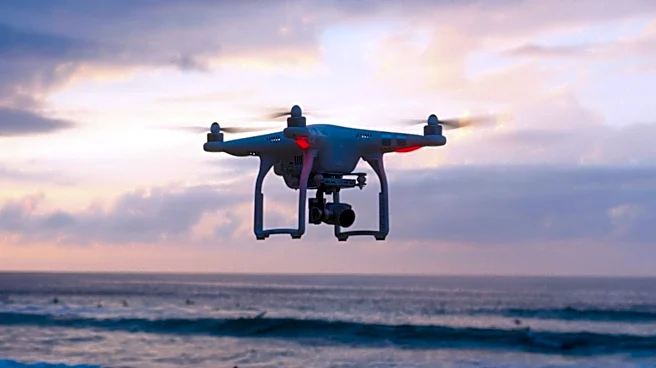
In Southern California's Orange County, drones are transforming the way lost pets are located and rescued. Animal control officers, such as Kyle Werner from the city of Mission Viejo, are utilizing advanced drone technology equipped with lasers and thermal
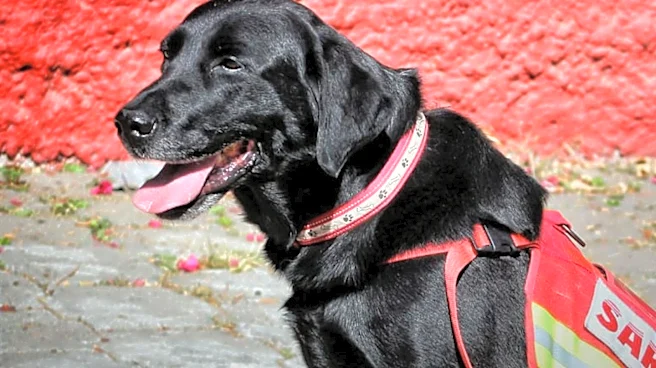
imaging to quickly pinpoint animal heat signatures over expansive areas. This technology was instrumental in a recent rescue of a small terrier on a freeway, guiding ground units to the animal within minutes. Previously, such searches could take days or weeks, relying on passive methods. The drone's ability to penetrate dense brush and cover large distances has proven critical, as demonstrated in the successful search for a dog named Lana, who would have been invisible to the naked eye. Another instance involved tracking a skittish dog named Josie, allowing officers to direct her owner to her exact location for a calm reunion. The drone, costing nearly $17,000, was acquired through private donations.
Why It's Important?
The integration of drone technology into animal control operations signifies a significant leap forward in pet recovery efforts, enhancing efficiency and success rates. This innovation directly impacts pet owners by drastically reducing the time and emotional distress associated with a lost pet. For animal control agencies, it shifts their approach from reactive to proactive, enabling them to cover more ground and locate animals in challenging environments that would otherwise be inaccessible or time-consuming for human search parties. The use of thermal imaging and lasers provides a critical advantage, especially in low-visibility conditions or dense foliage, ensuring that animals in distress are found more quickly. The success in Orange County could serve as a model for other regions across the U.S., potentially leading to widespread adoption of similar technologies and improving animal welfare outcomes nationwide. The investment, though substantial, is deemed invaluable by officers, highlighting the societal value placed on reuniting pets with their families.
What's Next?
Following the demonstrated success in Orange County, other animal control agencies are expressing interest in adopting similar drone technology. This suggests a potential trend towards the broader integration of drones in lost pet searches across the United States. As more agencies explore and implement these tools, there will likely be increased demand for specialized training for animal control officers in drone operation and data interpretation. Further advancements in drone capabilities, such as improved battery life, enhanced thermal imaging resolution, and perhaps even AI-powered animal detection, could emerge. The initial investment, currently covered by private donations in Mission Viejo, may prompt discussions about public funding or grants to make this technology more accessible to agencies with limited budgets. This could lead to a national standard or best practices for drone use in animal rescue, ultimately benefiting countless lost pets and their owners.
Beyond the Headlines
The adoption of drone technology in animal rescue extends beyond immediate pet recovery, touching upon broader ethical and societal considerations regarding technology's role in animal welfare. It highlights a growing reliance on advanced tools to solve problems traditionally addressed through labor-intensive human efforts. This shift could lead to a re-evaluation of resource allocation within animal control, potentially freeing up personnel for other critical tasks while improving overall efficiency. Furthermore, the success of these drones could spark innovation in related fields, such as wildlife monitoring or conservation efforts, where similar technologies could be deployed to track endangered species or respond to environmental emergencies. The private funding model for the drone in Mission Viejo also underscores the power of community involvement and philanthropic support in driving technological adoption for public good, potentially inspiring similar initiatives in other communities.