
What's Happening?
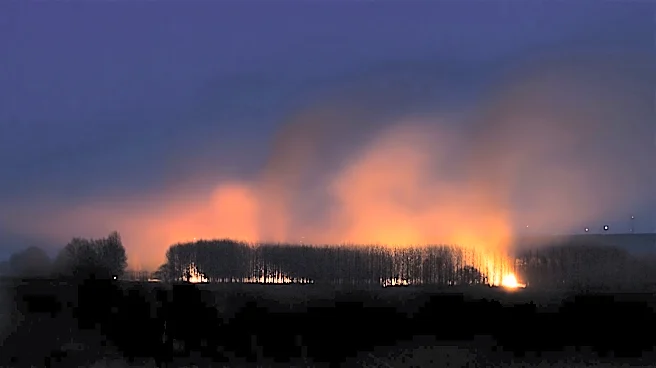
A meteorologist, Einar Sveinbjörnsson, has attributed a pale yellow haze over Reykjavik to smoke from Canadian wildfires. Residents noticed the unusual haze after a sunny afternoon, with the sky taking
on a whitish-yellow tint. Using atmospheric trajectory modeling, Einar traced air parcels at altitudes of 500 and 1,500 meters back to western Canada, suggesting the smoke traveled across the Atlantic over five to ten days. Air quality measurements in southwest Iceland recorded elevated levels of fine particulate matter, supporting the theory that the haze originated from wildfire smoke rather than sea spray or dust. Einar noted that such events might become more frequent as climate change leads to warmer summers and more wildfires in North America.
Why It's Important?
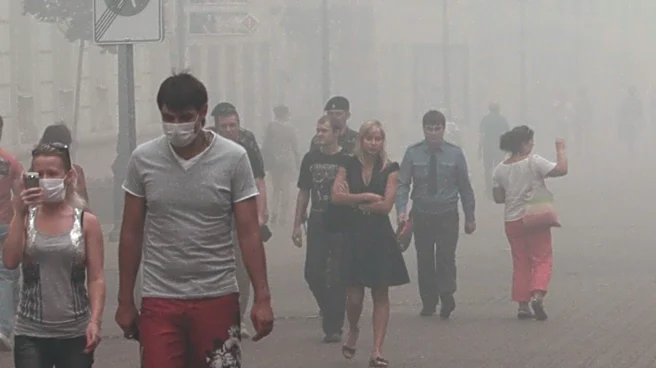
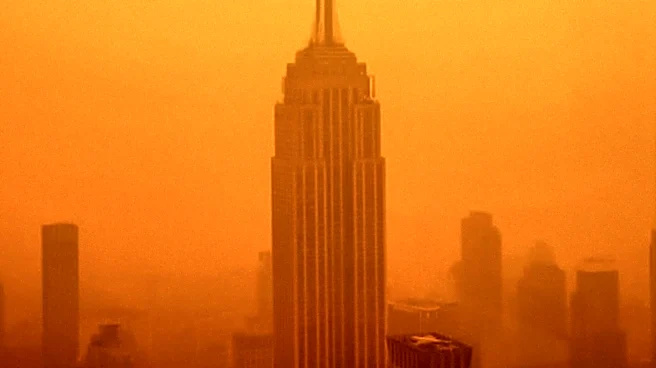
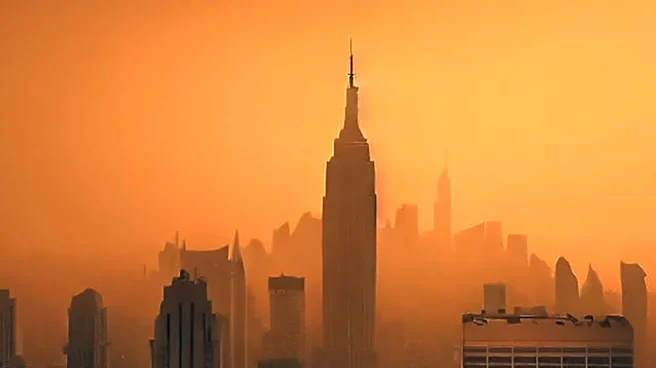
The haze over Reykjavik highlights the far-reaching impacts of wildfires, exacerbated by climate change. As wildfires become more frequent and intense, their effects are not confined to local areas but can impact air quality and visibility thousands of miles away. This incident underscores the interconnectedness of global environmental issues and the need for international cooperation in addressing climate change. The increased frequency of such events could have significant implications for public health, as fine particulate matter is known to cause respiratory and cardiovascular issues. Additionally, the haze serves as a reminder of the urgent need to mitigate climate change to prevent further environmental degradation.
What's Next?
As climate change continues to influence weather patterns, similar transatlantic smoke events may become more common. This could prompt Iceland and other affected regions to enhance their air quality monitoring and public health advisories. Policymakers might also consider strengthening international climate agreements to address the root causes of increased wildfire activity. In the short term, residents in affected areas may need to take precautions to protect their health during such haze events, including staying indoors and using air purifiers. The situation also calls for increased research into the long-term impacts of wildfire smoke on distant regions.
Beyond the Headlines
The haze over Reykjavik raises questions about the broader implications of climate change on global air quality and public health. As wildfires become more frequent, the transport of smoke across continents could lead to new challenges in managing air quality and protecting public health. This situation highlights the need for comprehensive climate policies that address both mitigation and adaptation strategies. Additionally, it underscores the importance of public awareness and education on the impacts of climate change, encouraging individuals and communities to take proactive measures in reducing their carbon footprint.