





What's Happening?
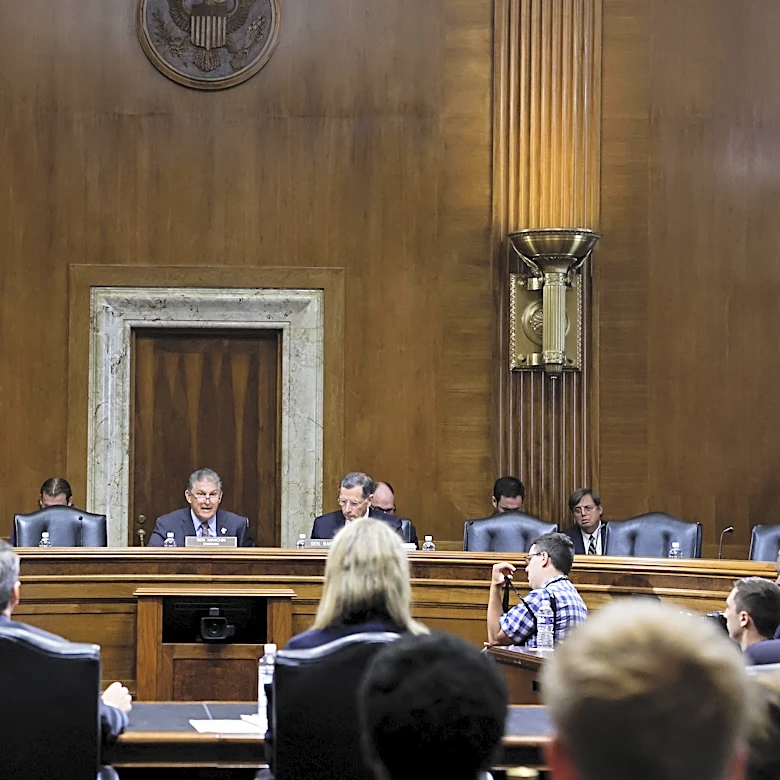
The Cleveland City Council is addressing several critical items, including appointments to the Community Police Commission and various emergency ordinances. Mayor Justin Bibb has submitted appointments and re-appointments for the Community Police Commission.
The council is also reviewing a Second Quarter 2026 Report for the Neighborhood Safety Fund from the Cleveland Foundation, pursuant to Ordinance No. 486-2023. Additionally, the agenda includes communications from Larry Jones II, Commissioner of Information Technology & Services, regarding the utilization of a Cooperative Purchasing Agreement with Law and Order Technology LLC for equipment. Emergency ordinances under consideration cover a range of issues, such as amending contracts for social support services, expanding leasehold territories, applying for grants for youth diversion programs and business development, and authorizing agreements for public safety initiatives like automated license plate reader systems, Drone First Responder Systems, and Gun Violence Detection Systems. The council is also addressing infrastructure projects, including amendments to ordinances for public facilities, recreation projects, and road and bridge projects that were not started in 2026, and the construction of a new terminal headhouse at Cleveland Hopkins International Airport.
Why It's Important?
These actions by the Cleveland City Council are crucial for the city's governance, public safety, and economic development. The appointments to the Community Police Commission are vital for ensuring civilian oversight and accountability within the police department, directly impacting community trust and relations. The Neighborhood Safety Fund report and various public safety ordinances, including those for advanced surveillance technologies, reflect the city's commitment to addressing crime and enhancing security, which could have significant implications for civil liberties and privacy. Furthermore, the consideration of grants for youth diversion programs and business development underscores efforts to foster community well-being and economic growth. The amendments to infrastructure project ordinances are essential for maintaining and improving public services, transportation, and urban development, directly affecting residents' quality of life and the city's long-term economic viability. These decisions collectively shape Cleveland's future, influencing its social fabric, economic landscape, and public safety environment.
What's Next?
The Cleveland City Council meeting on November 9, 2026, will involve deliberations and potential votes on these agenda items. Key next steps include the approval or rejection of Mayor Bibb's appointments to the Community Police Commission, which will determine the composition and direction of this oversight body. The various emergency ordinances, if passed, will authorize city departments to proceed with contracts, grant applications, and infrastructure projects. Specifically, the public safety technology initiatives, such as the automated license plate reader system, Drone First Responder System, and Gun Violence Detection System, will move towards implementation, potentially altering law enforcement capabilities and public surveillance in Cleveland. The progress of infrastructure projects, including the Cleveland Hopkins International Airport expansion, will depend on the council's decisions regarding funding and timelines. Stakeholders, including community groups, businesses, and residents, will likely monitor these decisions closely, as they will directly impact their daily lives and the future trajectory of the city.
Beyond the Headlines
Beyond the immediate policy implications, the Cleveland City Council's agenda reflects broader challenges faced by urban centers across the U.S., particularly the balancing act between public safety, civil liberties, and economic development. The introduction of advanced surveillance technologies, while aimed at reducing crime, raises profound ethical and legal questions about privacy and potential overreach. The Community Police Commission appointments highlight the ongoing national dialogue about police reform and community engagement. Economically, the focus on business development grants and infrastructure improvements underscores the competitive nature of urban economies and the need for strategic investments to attract and retain residents and businesses. The council's decisions will not only shape Cleveland but also serve as a case study for other cities grappling with similar issues, demonstrating how local governance navigates complex societal demands in an evolving urban landscape.