









What's Happening?
Michigan's Rural Development Fund has allocated $1.6 million across 19 projects aimed at fostering economic development in the state's rural communities. This funding comes after the program received nearly $11.5 million in requests, indicating a high
demand for support in these areas. Sarah Lucas, director of the Michigan Office of Rural Prosperity, noted that 120 applications were submitted for this round of grants. The projects receiving funding are diverse, encompassing initiatives such as workforce development, childcare services, food processing facilities, infrastructure upgrades, and the creation of new recreation facilities. These varied investments are designed to attract both residents and visitors to rural Michigan, addressing a range of needs identified within these communities. The flexibility of the Rural Development Fund grants is a key aspect, allowing them to support a broad spectrum of community requirements, as stated by Lucas.
Why It's Important?
This allocation of funds is crucial for addressing the unique challenges faced by rural communities in Michigan, which often grapple with issues like population decline, aging infrastructure, and limited access to essential services. By investing in workforce development, the grants can help retain and attract skilled labor, vital for local economies. Childcare initiatives are critical for supporting working families and enabling greater participation in the workforce. Improvements in food processing and infrastructure can strengthen local agricultural sectors and supply chains, while new recreation facilities can enhance quality of life and boost tourism, creating new revenue streams. These projects not only provide immediate benefits but also foster stronger partnerships among local, regional, and state organizations, and build experience in navigating grant opportunities and complex development projects, according to Lucas. This holistic approach aims to create sustainable growth and resilience in Michigan's rural areas.
What's Next?
The Michigan Rural Development Fund is preparing for its next round of grants, which will provide an additional $4 million in funding. Letters of intent for this upcoming round are due on November 2, with full applications required by February 17, 2027. This continued funding demonstrates an ongoing commitment to rural development in Michigan. Projects currently underway, such as the Soo Locks Children’s Museum, which received $92,830 for interior renovations, are aiming for completion and opening in the coming years, with the museum targeting a fall 2027 opening. Similarly, the Mill Street Market in Hastings, which received a grant for a refrigerated cargo van and other systems, anticipates a phased opening in late 2026 or early 2027. These timelines suggest that the impact of the current grant cycle will become increasingly visible over the next one to two years, with further opportunities for rural communities to secure funding in the near future.
Beyond the Headlines
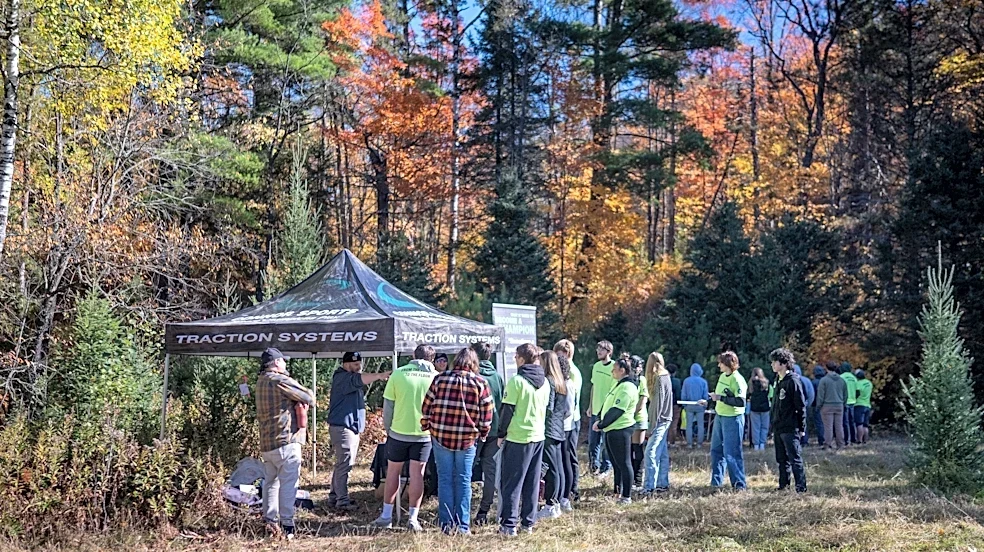
The strategic investment in rural Michigan through these grants highlights a broader recognition of the interconnectedness of economic vitality, community well-being, and social infrastructure. Beyond the direct economic benefits, projects like career exploration camps and pre-apprenticeship programs, as exemplified by the MiSTEM Region 12 initiative, address the long-term challenge of talent retention in rural areas. By exposing young people to local career opportunities early on, these programs aim to cultivate a future workforce that is invested in their communities. The development of facilities like the Mill Street Market, which connects local farmers with consumers and provides commercial equipment for entrepreneurs, underscores a shift towards fostering self-sustaining local economies and reducing reliance on external markets. These initiatives collectively contribute to building more resilient and attractive rural communities, potentially reversing trends of out-migration and fostering a renewed sense of local pride and economic independence.