






What's Happening?
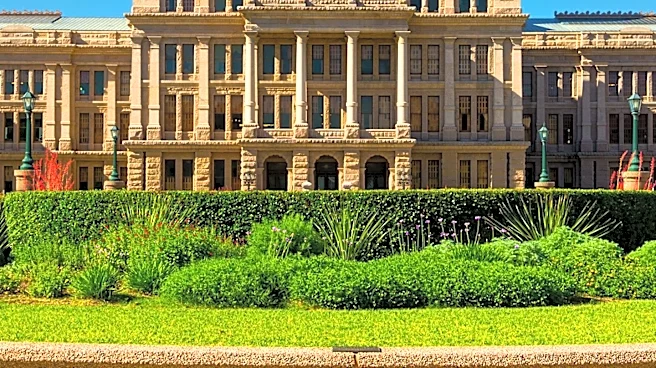
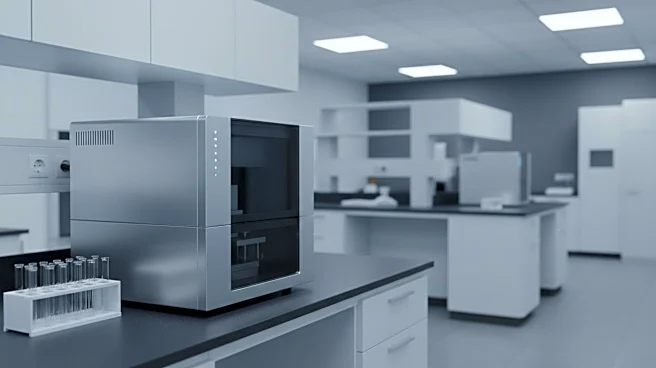
Pet cloning is becoming a more accessible, albeit expensive, option for U.S. pet owners, with ViaGen Pets in Austin, Texas, being the sole U.S.-based company offering this service. The process involves taking a live tissue biopsy from a pet, extracting
its DNA, and placing it into a donor egg to create an embryo, which is then implanted into a surrogate mother. The entire procedure, from biopsy to birth, typically takes between nine and 15 months and costs $50,000 for a dog or cat, and $85,000 for a horse. Celebrities like Barbra Streisand and Tom Brady have publicly acknowledged cloning their pets, bringing more attention to the practice. Despite the growing interest, the decision to clone a pet rather than adopt an animal in need raises ethical considerations, particularly given the millions of dogs and cats entering shelters annually.
Why It's Important?
The rise of pet cloning in the U.S. signifies a growing intersection of advanced biotechnology and consumer demand for emotional connection, impacting both the pet care industry and ethical discussions. The high cost of cloning positions it as a luxury service, potentially creating a divide in pet ownership where only the affluent can replicate beloved companions. This trend could stimulate further investment in animal biotechnology, leading to advancements in genetic preservation and reproductive technologies. However, it also intensifies the debate around animal welfare, resource allocation, and the moral implications of creating genetic replicas when countless animals await adoption. The involvement of public figures like Barbra Streisand and Tom Brady in pet cloning could normalize the practice, influencing public perception and potentially increasing demand, thereby shaping future regulations and ethical guidelines in the U.S. regarding animal cloning.
What's Next?
As pet cloning gains visibility, it is likely to spark increased public and ethical debate regarding its implications for animal welfare and responsible pet ownership. Regulatory bodies in the U.S. may face pressure to establish clearer guidelines or restrictions on pet cloning, especially concerning the welfare of surrogate animals and the broader impact on shelter populations. The cost of cloning may decrease over time due to technological advancements or increased competition, making it accessible to a wider demographic. This could further fuel demand and necessitate more comprehensive discussions about the ethical framework surrounding animal genetic replication. Additionally, research into the long-term health and behavioral outcomes of cloned animals may become more prevalent, influencing public acceptance and the future trajectory of the pet cloning industry.
Beyond the Headlines
The practice of pet cloning delves into profound questions about the nature of companionship, grief, and the human desire to overcome mortality. It highlights a societal willingness to invest significant resources in preserving the unique bond with a pet, reflecting a deeper cultural value placed on animal companions. However, it also brings to the forefront the ethical dilemma of 'playing God' with animal life and the potential for commodification of living beings. The debate extends beyond individual choice to broader societal responsibilities towards animal populations, particularly those in shelters. This development could also influence how we perceive genetic identity versus environmental upbringing in animals, as cloned pets, while genetically identical, may develop different personalities due to varying environments. Ultimately, pet cloning challenges our understanding of life, loss, and the boundaries of scientific intervention in the natural world.