


What's Happening?
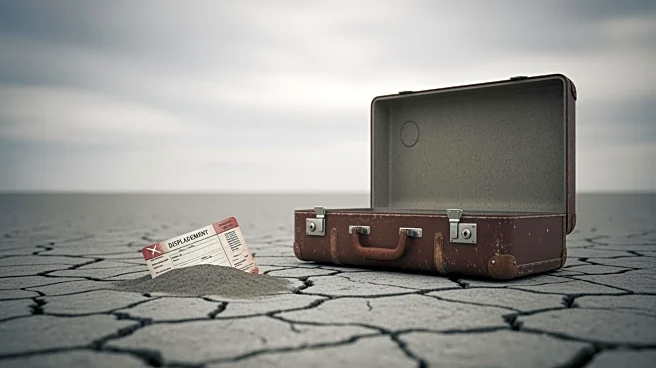
Belarus has released 123 political prisoners as part of a deal with the U.S. to lift some trade sanctions. However, many of these prisoners were deported without passports or identity documents, leaving them stranded abroad. Human rights advocate Uladzimir
Labkovich, one of the released prisoners, described being blindfolded and driven to Ukraine without any official documents. This move has been criticized as a 'dirty trick' by Belarusian authorities, who continue to make life difficult for those released. The lack of documentation poses significant challenges for the released prisoners as they attempt to rebuild their lives in foreign countries.
Why It's Important?
The release of prisoners without proper documentation highlights ongoing human rights abuses in Belarus under President Alexander Lukashenko's regime. This act of forced exile undermines the notion of genuine pardoning and reflects the authoritarian government's continued repression of political dissent. The situation has drawn international attention and criticism, with human rights organizations and foreign governments calling for better treatment of political prisoners. The lack of identity documents complicates the reintegration of these individuals into society and poses significant bureaucratic challenges, affecting their ability to work, travel, and access basic services.
What's Next?
The international community, including human rights organizations and foreign governments, is likely to increase pressure on Belarus to address these human rights violations. Efforts may be made to provide assistance to the released prisoners, including legal aid and support for obtaining new identity documents. The situation may also prompt further sanctions or diplomatic actions against Belarus if the government does not improve its treatment of political prisoners. Additionally, the ongoing repression in Belarus could lead to further political instability and increased emigration of dissidents seeking safety abroad.