



What's Happening?
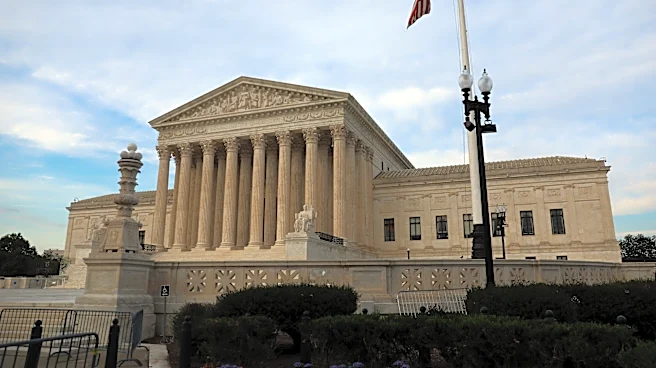
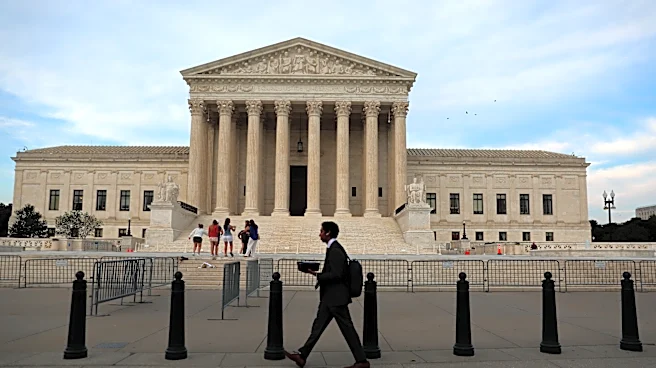
The U.S. Supreme Court has ruled that law enforcement must obtain a warrant to access phone location data through geofence warrants, which are used to identify individuals near a crime scene. The decision stems from a case involving Okello Chatrie, whose
arrest was based on a geofence warrant targeting Google after a 2019 robbery in Virginia. The court's 6-3 decision emphasizes that such warrants constitute a search under the Fourth Amendment, requiring judicial oversight. Justice Elena Kagan highlighted the expectation of privacy individuals have regarding their phone location data, even when held by third-party companies like Google.
Why It's Important?
This ruling sets a significant precedent for privacy rights in the digital age, impacting how law enforcement can use technology in investigations. It reinforces the Fourth Amendment's protection against unreasonable searches, potentially limiting the scope of surveillance tools available to police. The decision may affect ongoing and future cases where geofence warrants are used, prompting law enforcement agencies to reassess their investigative methods. It also underscores the tension between privacy rights and the use of technology in criminal investigations, influencing legal standards and privacy policies.
What's Next?
The case has been remanded to the appellate court for further hearings to determine if the warrant satisfies Fourth Amendment requirements. This decision may lead to increased scrutiny of geofence warrants and similar surveillance techniques. Law enforcement agencies might need to adapt their practices to comply with the ruling, potentially seeking alternative methods for gathering evidence. The ruling could also inspire legislative action to clarify the legal framework governing digital privacy and law enforcement's access to electronic data.