



What's Happening?
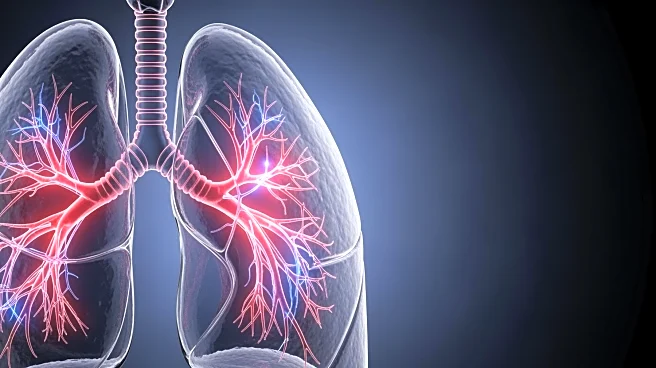
Recent research conducted by the University of Virginia Health System has found that severe cases of COVID-19 or influenza can significantly increase the risk of developing lung cancer later in life. The study, led by scientist Jie Sun, PhD, indicates
a 1.24-fold increase in lung cancer incidence among patients who were hospitalized due to these severe respiratory infections. This elevated risk persists regardless of smoking habits or other medical conditions. The research suggests that severe infections can alter immune cells in the lungs, creating a pro-tumor environment that supports cancer growth. Encouragingly, the study also found that vaccination can prevent these harmful changes, reducing the risk of lung cancer development.
Why It's Important?
The findings of this study have significant implications for public health and clinical practices. With millions of people having experienced severe COVID-19, the potential increase in lung cancer cases could place additional strain on healthcare systems. The research underscores the importance of vaccination not only in preventing severe respiratory infections but also in mitigating long-term cancer risks. This could lead to changes in how patients recovering from severe infections are monitored, potentially involving more rigorous lung cancer screening protocols. The study highlights the need for targeted interventions to address the increased cancer risk, particularly among high-risk groups such as smokers.
What's Next?
Following these findings, healthcare providers may need to implement enhanced surveillance for lung cancer in patients who have recovered from severe COVID-19 or influenza. This could involve routine screening with CT scans to detect cancer early when treatment is most effective. Additionally, the research may prompt further studies to explore the mechanisms behind the immune changes caused by severe infections and to develop new strategies for prevention and treatment. Policymakers and health organizations might also consider promoting vaccination campaigns more aggressively to prevent severe infections and their long-term consequences.
Beyond the Headlines
The study opens up new avenues for understanding the long-term impacts of severe respiratory infections on cancer development. It raises ethical considerations regarding the prioritization of healthcare resources and the need for equitable access to vaccination and cancer screening services. The research also highlights the interconnectedness of infectious diseases and chronic conditions, suggesting that public health strategies should adopt a more integrated approach to disease prevention and management.