


What's Happening?
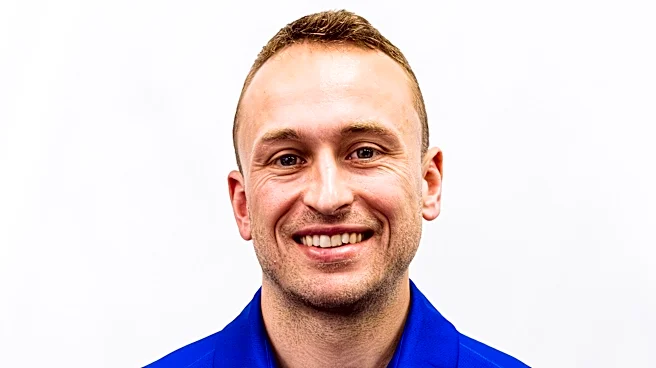
Akhil Tumuluri, a 16-year-old senior at N.C. School of Science and Math (NCSSM) in Morganton, North Carolina, has co-authored a manuscript on NRF2–RAS interactions in cancer. This significant achievement stems from his active involvement as a lab researcher
at the UNC Lineberger Comprehensive Cancer Center. Tumuluri's interest in cancer research was sparked by its impact on his extended family. He was introduced to Bernard E. Weissman, PhD, Co-associate Director of Cancer Research Training Education Coordination (CRTEC) and a member of the UNC Lineberger Cancer Genetics Research Program. Dr. Weissman recognized Tumuluri's talent and drive, providing him with the opportunity to contribute to a project using bioinformatics to analyze how NRF2 and RAS mutations occur together in human cancers, particularly lung cancer, and their effect on responses to new RAS inhibitors. Tumuluri's work focused on deciphering NRF2–RAS crosstalk and using data to contribute to the manuscript.
Why It's Important?
This development highlights the potential for early engagement of talented high school students in advanced scientific research, particularly in critical fields like cancer. Akhil Tumuluri's success demonstrates that with proper mentorship and opportunities, young individuals can make meaningful contributions to scientific understanding. His work on NRF2–RAS interactions is crucial for understanding cancer's resistance to treatment, which could lead to improved therapeutic strategies. The initiative by Dr. Bernard E. Weissman and UNC Lineberger to involve students like Tumuluri is vital for cultivating the next generation of scientists and medical professionals. This model of mentorship can inspire other institutions to create similar programs, fostering innovation and addressing future healthcare challenges by building a robust scientific workforce from an early stage.
What's Next?
Akhil Tumuluri has applied for early admission to UNC-Chapel Hill with Honors Carolina, intending to major in computational biology and pursue an MD/PhD degree at UNC-Chapel Hill. His manuscript is nearing submission, where he will be recognized as a co-first author. Dr. Weissman hopes Tumuluri's story will encourage more UNC Lineberger faculty to mentor talented high school students, especially given the increasing role of bioinformatics, biostatistics, and AI in research. The success of this mentorship model suggests a potential for broader adoption, which could lead to more structured programs for high school students in research labs. Tumuluri's continued academic and research journey is expected to further his contributions to cancer research and potentially lead to advancements in oncology.
Beyond the Headlines
The story of Akhil Tumuluri delves into the ethical and cultural dimensions of scientific mentorship and the democratization of research opportunities. It challenges traditional notions of who can contribute to high-level scientific inquiry, demonstrating that age is not a barrier to significant intellectual contribution when passion and talent are met with support. This initiative also underscores the importance of institutions like UNC Lineberger in fostering a culture of inclusivity and proactive talent development. The long-term shift could be a re-evaluation of educational pipelines, integrating real-world research experiences earlier into academic careers. This approach not only accelerates scientific discovery but also addresses societal needs by inspiring young minds to tackle complex problems, potentially leading to a more diverse and innovative scientific community.