



What's Happening?
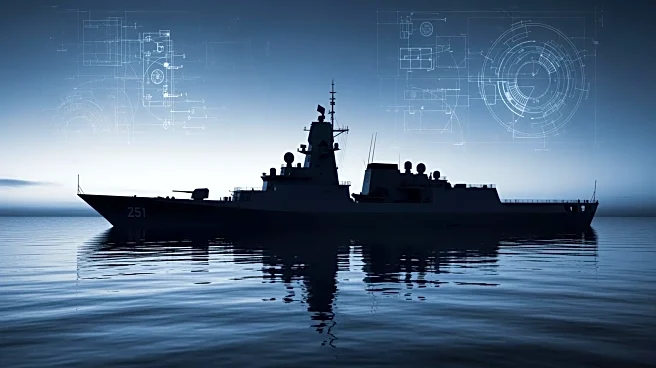
The US Navy is revising its approach to weapons acquisition and construction in response to lessons learned from the Ukraine war, as stated by USN Secretary John Phelan. The conflict highlighted the need for rapid iteration and adaptation in military
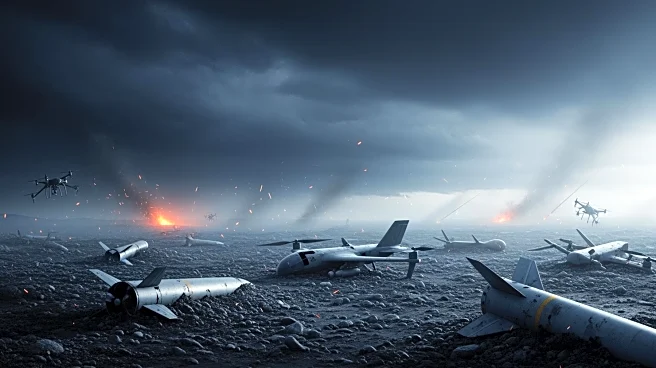
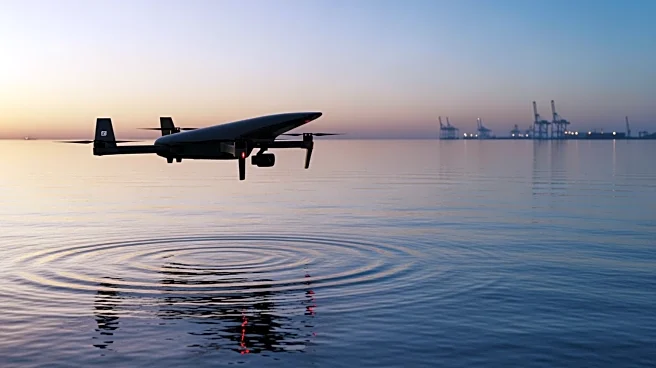
procurement processes. Secretary Phelan emphasized the importance of unmanned systems and rapid prototyping as key components of the Navy's future fleet plans. The Ukraine war demonstrated the effectiveness of agile and innovative tactics, prompting the Navy to prioritize the development of unmanned platforms integrated with artificial intelligence and electronic warfare capabilities.
Why It's Important?
The shift in the US Navy's acquisition strategy reflects a broader recognition of the changing nature of warfare, where speed and adaptability are crucial. By focusing on rapid iteration and unmanned systems, the Navy aims to maintain a technological edge and enhance its operational capabilities. This approach could lead to significant changes in the defense industry, as contractors may need to adjust their production processes to meet the demand for innovative and rapidly deployable systems. The lessons from the Ukraine war underscore the importance of agility in military operations and could influence future defense policies and procurement strategies.
What's Next?
The Navy's focus on unmanned systems and rapid prototyping will likely drive increased investment in research and development. As the Navy implements its new acquisition strategy, there may be opportunities for collaboration with technology companies and defense contractors to develop cutting-edge solutions. The success of this strategy will depend on the Navy's ability to integrate new technologies into its existing fleet and adapt to evolving threats. Additionally, the Navy may seek to enhance its training programs to ensure personnel are equipped to operate and maintain advanced unmanned systems.