





What's Happening?
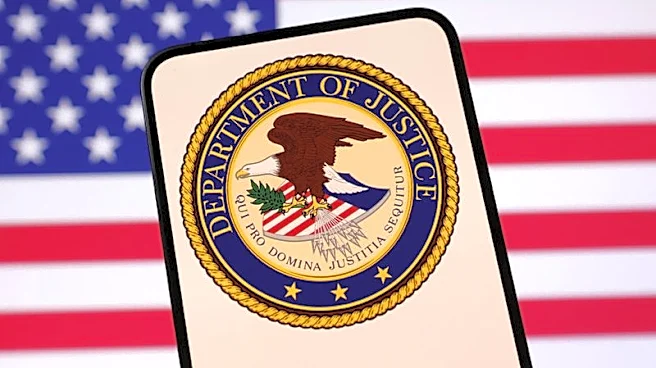
A federal judge has dismissed a lawsuit filed by the Trump administration's Department of Justice (DOJ) that sought to obtain detailed voter data from Rhode Island. U.S. District Court Judge Mary McElroy ruled against the DOJ, aligning with Rhode Island's
election officials and civil rights advocates who argued that the request violated state and federal privacy laws. The DOJ's lawsuit was part of a broader effort to access voter registration lists from at least 30 states and the District of Columbia, claiming the data was necessary to ensure election security. However, the request for sensitive information, including dates of birth, addresses, driver's license numbers, and partial Social Security numbers, was met with resistance from both Democratic and some Republican officials. They contended that the demand constituted a constitutional overreach by the executive branch.
Why It's Important?
The dismissal of the DOJ's lawsuit in Rhode Island is significant as it underscores the ongoing tension between federal and state authorities over election security and privacy rights. The ruling highlights the judiciary's role in checking executive power, particularly when it comes to safeguarding personal data. This decision may influence other states facing similar lawsuits, reinforcing the precedent that federal demands for voter data must be justified and comply with privacy laws. The outcome is crucial for civil rights advocates who fear that such data could be misused, potentially affecting voter participation and trust in the electoral process. The case also reflects broader debates about the balance of power between state and federal governments in managing elections.
What's Next?
Following the dismissal, the DOJ may consider appealing the decision or adjusting its strategy in ongoing litigation with other states. The department's pursuit of voter data has already faced multiple legal setbacks, with judges in California, Massachusetts, Michigan, and Oregon issuing similar rejections. The DOJ's next steps could involve refining its legal arguments or seeking alternative methods to address its election security concerns. Meanwhile, states that have not yet complied with the DOJ's requests may feel emboldened to resist, potentially leading to further legal battles. The situation also calls for a broader discussion on how to balance election security with privacy rights, possibly prompting legislative action at the federal or state level.