



What's Happening?
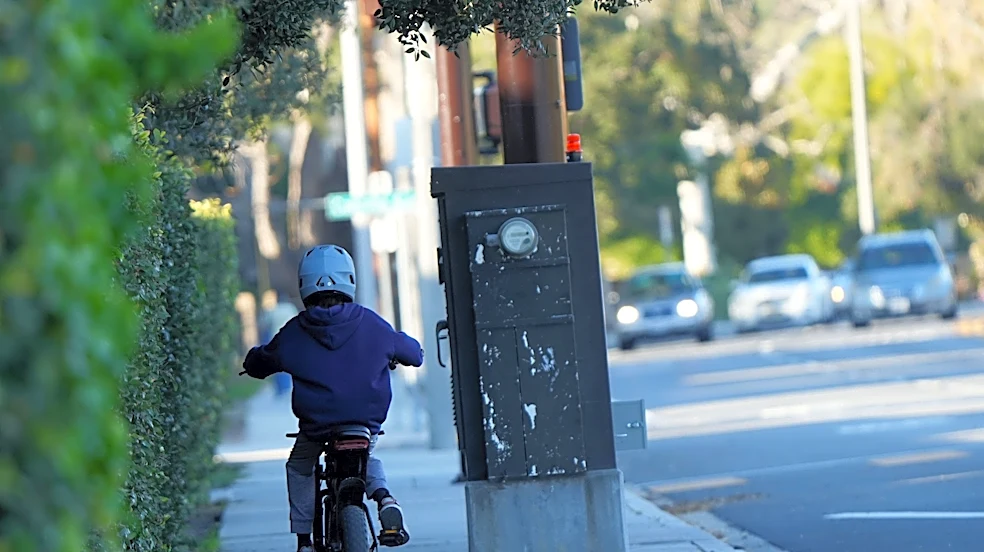
The Orange County District Attorney has filed criminal charges against two California parents following the death of their 13-year-old son. Prosecutors allege that the teenager lost control of his electric motorcycle, leading to the fatal accident. The specific
charges against the parents have not been detailed in the provided information, but the action comes months after the incident. This development highlights a legal response to parental responsibility in incidents involving minors and potentially dangerous equipment. The case is being reported by NBC News, with Andres Gutierrez providing details on the ongoing situation. The incident underscores the scrutiny placed on parents when their children are involved in accidents with serious outcomes, particularly when the circumstances suggest potential negligence or lack of supervision regarding the use of such vehicles.
Why It's Important?
This case is significant as it delves into the legal boundaries of parental responsibility concerning the safety of minors operating electric motorcycles. The decision by the Orange County DA to press charges could set a precedent or at least influence how similar incidents are handled in the future across the U.S. It brings to the forefront discussions about the appropriate age for operating electric motorcycles, the level of parental supervision required, and the potential legal consequences when such precautions are deemed insufficient. For parents, this serves as a stark reminder of their legal obligations to ensure their children's safety, particularly with recreational vehicles that carry inherent risks. The outcome of this case could impact product safety regulations for electric motorcycles marketed to younger demographics and influence insurance liabilities for families.
What's Next?
The legal proceedings against the parents are expected to continue, with court dates and further investigations likely to unfold. The parents will have the opportunity to present their defense against the charges. The case may involve expert testimonies regarding the electric motorcycle's safety features, the circumstances of the accident, and the parents' actions leading up to it. Depending on the legal outcomes, there could be broader implications for local ordinances concerning electric motorcycle use by minors. Advocacy groups for child safety and motorcycle safety may also weigh in, potentially pushing for stricter regulations or public awareness campaigns. The community will likely watch closely as the legal process unfolds, awaiting the court's decision and any subsequent appeals.
Beyond the Headlines
Beyond the immediate legal ramifications, this case touches upon the evolving landscape of youth recreation and technology. Electric motorcycles, while offering environmental benefits and a different riding experience, also introduce new safety considerations, especially for young riders. The incident prompts a deeper look into societal expectations of parental oversight in an era where children have access to increasingly powerful and fast personal vehicles. It also raises ethical questions about the balance between fostering independence in children and ensuring their safety through strict supervision. The case could spark a broader conversation about the responsibilities of manufacturers in clearly communicating risks and the role of public policy in regulating emerging recreational technologies to prevent future tragedies.