





What's Happening?
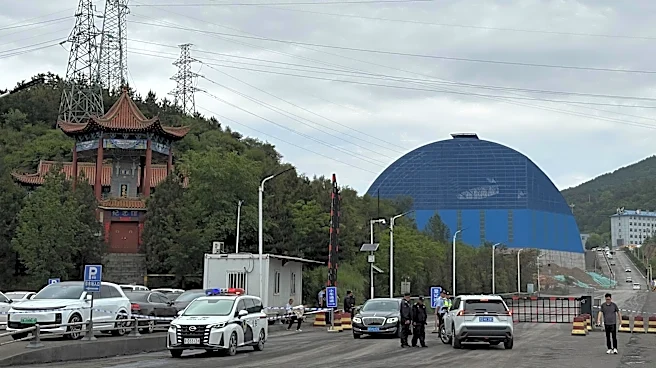
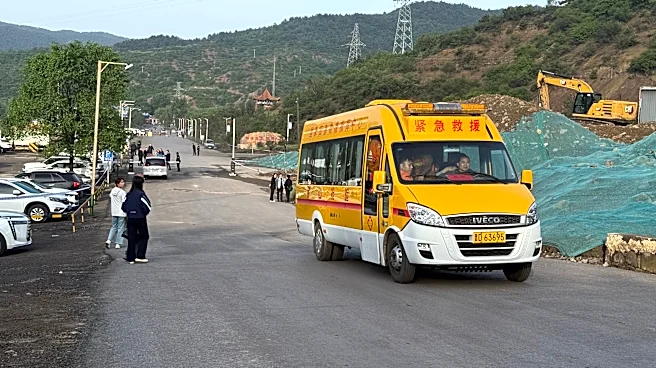
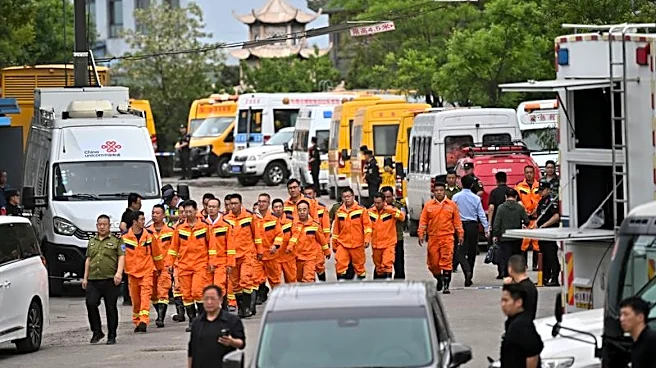
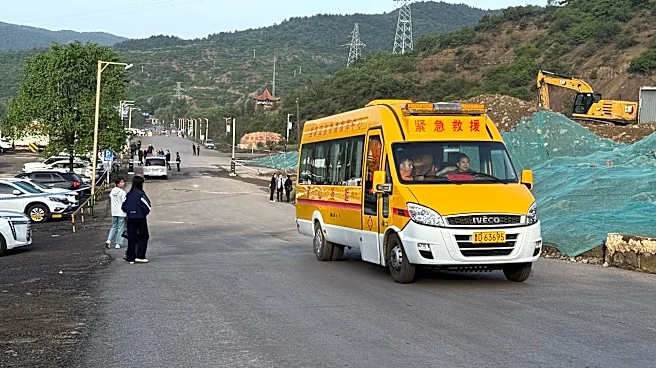
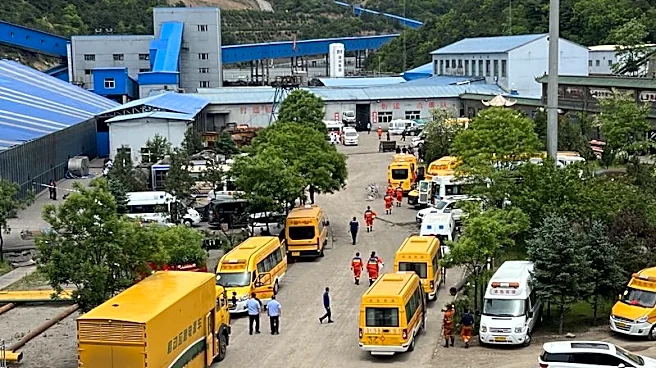
A devastating gas explosion at the Liushenyu coal mine in Shanxi province, China, has resulted in at least 90 fatalities and over 120 injuries. The incident occurred on May 22, 2026, while approximately 247 workers were underground. Initially, local authorities
reported eight deaths and 38 workers trapped, but the numbers have since increased significantly. The mine, operated by Shanxi Tongzhou Group Liushenyu Coal Industry, was previously identified as disaster-prone due to high gas content. Rescue operations are ongoing, and the cause of the explosion is under investigation. A person in charge of the mining company has been taken into custody.
Why It's Important?
This incident highlights significant safety concerns within China's coal mining industry, particularly in Shanxi province, which is a major coal-producing region. The disaster underscores the ongoing risks faced by miners and the potential inadequacies in safety enforcement. The high casualty rate may prompt international scrutiny and pressure on China to improve mine safety standards. Additionally, the economic impact could be substantial, affecting coal supply and prices, given Shanxi's contribution to China's coal output. The incident may also lead to increased regulatory oversight and potential policy changes to prevent future tragedies.
What's Next?
As rescue operations continue, the focus will likely shift to accountability and prevention. Investigations into the explosion's cause may reveal systemic issues within the mining sector, prompting regulatory reforms. The Chinese government may face domestic and international pressure to enhance safety protocols and enforce existing regulations more rigorously. The detained company official's fate could set a precedent for corporate responsibility in such disasters. Additionally, the incident may influence China's energy policies, potentially accelerating a shift towards safer and more sustainable energy sources.
Beyond the Headlines
The disaster raises ethical questions about the balance between economic growth and worker safety in China's industrial sectors. It also highlights potential collusion between local governments and businesses, as suggested by past allegations of safety rule enforcement lapses. The tragedy may lead to increased advocacy for miners' rights and better working conditions. Long-term, this could influence cultural attitudes towards industrial safety and corporate accountability in China, potentially leading to broader societal changes.