


What's Happening?
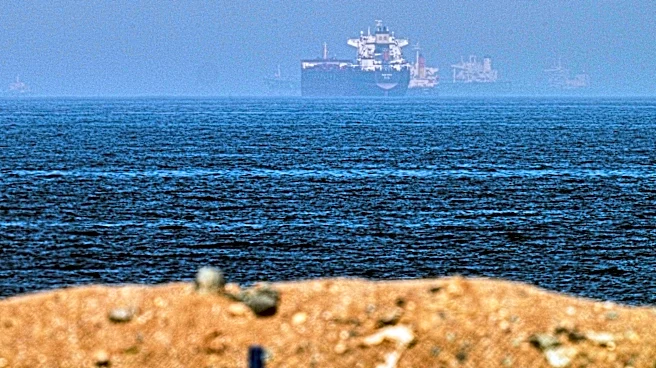
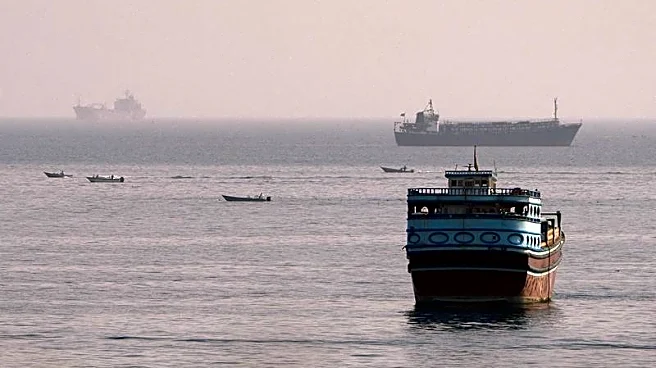
Iran has announced that it is close to reaching a deal with Oman regarding new shipping lanes in the Strait of Hormuz. This development follows a period of restricted access due to tensions with the US and Israel. The proposed agreement would establish
specific routes for inbound and outbound vessels, with Iran controlling the inbound channel and Oman overseeing the outbound path. Iran has suggested a shared service fee for environmental and security costs, though a US official has disputed the need for Iranian permission for temporary routes.
Why It's Important?
The Strait of Hormuz is a critical chokepoint for global oil transportation, and any disruptions can have significant impacts on global oil prices and supply chains. A formal agreement between Iran and Oman could stabilize the region, ensuring safer and more predictable passage for oil tankers. However, the involvement of Iran, a nation under US sanctions, complicates the geopolitical landscape. The US and its allies may view this agreement with skepticism, potentially leading to diplomatic tensions or adjustments in naval deployments in the region.
What's Next?
If the agreement is finalized, it could lead to a reduction in regional tensions and a more stable environment for international shipping. However, the US and other Western nations may continue to monitor the situation closely, potentially influencing future negotiations or agreements. The deal could also prompt discussions on broader regional security arrangements and the role of international bodies in managing critical maritime routes.