






What's Happening?
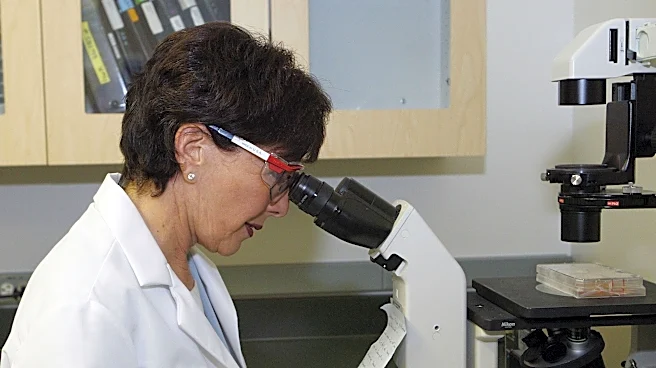
Jan Mladonicky, a researcher at the University of Minnesota College of Veterinary Medicine (CVM), is leading efforts to prepare Minnesota for future pandemics by focusing on wildlife disease and emerging pathogen surveillance. Her work, which began during
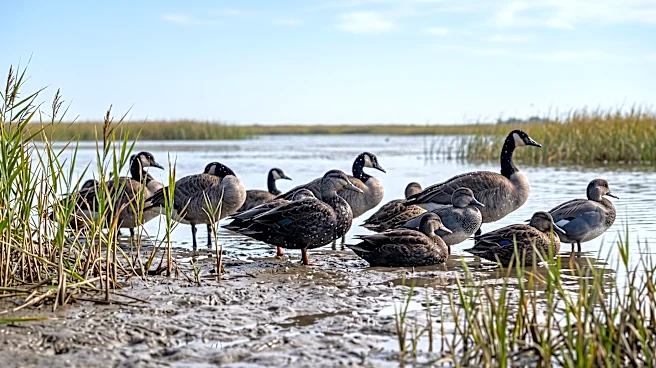
the COVID-19 pandemic in March 2020, involves studying how viruses like SARS-CoV-2 circulate in wild animal populations, including deer and rodents. Mladonicky and her team leverage existing partnerships with organizations like the Minnesota Department of Natural Resources (DNR) and the Wildlife Rehabilitation Center of Minnesota to collect and test samples. This surveillance project has expanded to track other threats, such as antimicrobial resistance (AMR) in E. coli and salmonella found in birds, and a new strain of highly pathogenic avian influenza (HPAI) that emerged in 2022. The goal is to establish a baseline of circulating pathogens at the local level to inform public health risks.
Why It's Important?
Mladonicky's research is vital for U.S. public health, particularly in Minnesota, as it addresses the critical 'One Health' concept, recognizing the interconnectedness of human, animal, and environmental health. By monitoring pathogens in wildlife, the project provides early warning systems for potential zoonotic diseases that could jump to humans, preventing future pandemics or mitigating their impact. The surveillance of antimicrobial resistance is also crucial, as AMR poses a significant threat to the effectiveness of antibiotics in both human and veterinary medicine, potentially leading to untreatable infections. For Minnesota, this work helps protect its agricultural sector, wildlife, and human population from disease outbreaks, reducing economic losses and healthcare burdens. The established partnerships and data-sharing models could serve as a blueprint for other states and national initiatives.
What's Next?
The ongoing surveillance project will continue to monitor various pathogens in Minnesota's wildlife, including SARS-CoV-2, antimicrobial resistance, and avian influenza. Mladonicky and her team aim to further strengthen their partnerships and expand their data collection efforts to create a more comprehensive understanding of pathogen circulation. The insights gained from this research will inform public health policies and preparedness strategies at the state level, potentially leading to more targeted interventions and resource allocation. The project also serves as a model for sustainable pathogen monitoring, demonstrating how existing resources and collaborations can be leveraged to address emerging health threats. Future efforts will likely focus on translating these findings into actionable public health recommendations and educational programs for communities.
Beyond the Headlines
This research highlights a deeper, often overlooked aspect of pandemic preparedness: the critical role of environmental and animal health. The focus on wildlife surveillance underscores the understanding that many human diseases originate in animal populations, making a 'One Health' approach indispensable. It also brings to light the challenges of underfunded wildlife disease surveillance and the innovative ways researchers are finding to overcome these limitations through collaboration. The project's evolution from tracking SARS-CoV-2 to antimicrobial resistance and avian influenza demonstrates the dynamic nature of emerging health threats and the need for adaptable surveillance systems. Ultimately, this work contributes to a broader understanding of ecological health and its direct impact on human well-being, emphasizing the interconnectedness of all living systems.