





What's Happening?
A comprehensive meta-analysis of 74 studies, involving over 4.2 million adults, has found that not all physical activity equally protects the brain from dementia. The study, published in The Lancet Public Health and led by researchers at the University
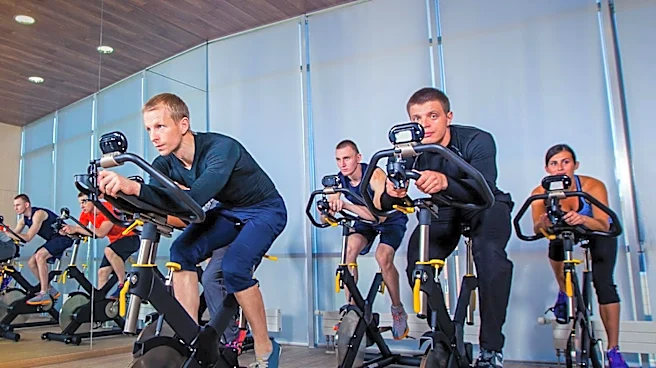
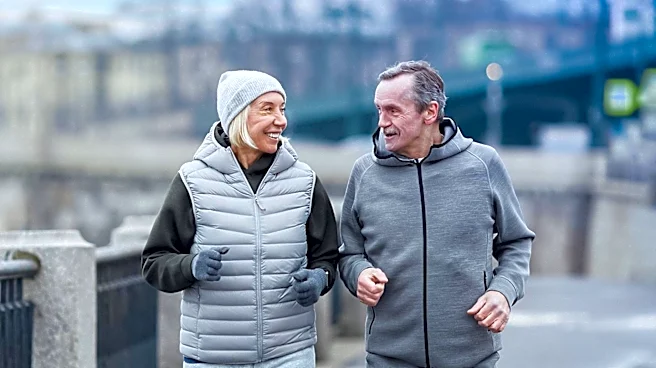
of Southern California, indicates that leisure-time physical activity is associated with a 24% lower risk of dementia. Conversely, occupational physical activity was linked to a 20% higher risk. The research examined four domains of physical activity: leisure-time, occupational, household, and active commuting. While leisure-time activities like walking or swimming showed significant benefits, occupational activity, often characterized by repetitive tasks, low autonomy, and insufficient recovery, did not. Household activity showed a 15% lower risk, though this was based on only one study, and active commuting was linked to a 10% higher risk based on two studies. The findings highlight a 'physical activity paradox,' previously observed in cardiovascular research, where the context of physical activity plays a crucial role in its health outcomes.
Why It's Important?
This study is important because it refines our understanding of how physical activity impacts brain health and dementia risk, moving beyond the general recommendation that all movement is beneficial. The distinction between leisure-time and occupational activity has significant implications for public health strategies and individual lifestyle choices in the U.S. For industries with physically demanding jobs, the findings suggest a need to consider the broader health impacts on their workforce, potentially leading to policy changes regarding work-rest cycles, stress management, and access to healthcare. For individuals, it emphasizes the importance of engaging in enjoyable, self-directed physical activities during non-work hours. The higher dementia risk associated with occupational activity, potentially linked to socioeconomic factors, chronic stress, and lack of recovery, underscores existing health disparities and could inform interventions aimed at supporting vulnerable populations. This research could also influence how healthcare providers counsel patients on exercise for cognitive health, prioritizing recreational activities over strenuous work-related movements.
What's Next?
Future research will likely focus on further dissecting the mechanisms behind the 'physical activity paradox,' particularly the interplay between physical exertion, stress, socioeconomic factors, and cognitive decline in occupational settings. This could lead to more targeted interventions and workplace policies designed to mitigate the risks associated with physically demanding jobs. Public health campaigns may begin to differentiate between types of physical activity, specifically promoting leisure-time exercise for brain health. Policymakers might explore initiatives to improve access to recreational facilities and ensure adequate leisure time for workers, especially those in physically demanding roles. Individuals are encouraged to prioritize recreational activities they enjoy, such as brisk walking, swimming, or gardening, to maximize brain health benefits. The study's observational nature means further research is needed to establish causation, but the current findings provide a strong basis for re-evaluating current physical activity guidelines.
Beyond the Headlines
The study's findings delve into the less obvious implications of physical activity, suggesting that the psychological and social context of movement is as crucial as the physical exertion itself. The 'physical activity paradox' highlights that activities performed under duress, with low autonomy, or without adequate recovery, may not confer the same health benefits as those chosen for enjoyment and personal well-being. This raises ethical considerations for employers regarding the working conditions and overall health of employees in physically demanding roles. It also points to a broader societal issue where socioeconomic disparities can influence health outcomes, as individuals in lower socioeconomic strata are often more likely to hold physically demanding jobs with associated stressors. Culturally, the study challenges the notion that all hard work is inherently good for health, prompting a re-evaluation of how we value and promote different forms of physical activity. The emphasis on enjoyable, self-directed exercise underscores the importance of mental well-being and personal agency in achieving optimal health.