



What's Happening?
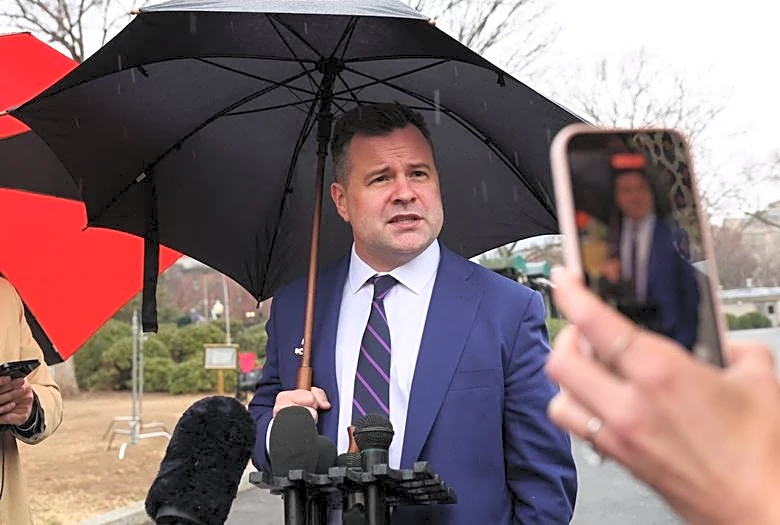
The government has announced a comprehensive package of measures to address the ongoing milk supply shortage across the country, which has led to reduced availability of processed milk brands on retail shelves. Livestock Development Principal Secretary
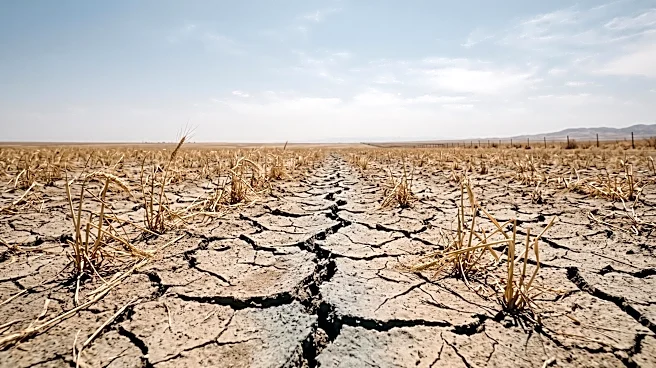
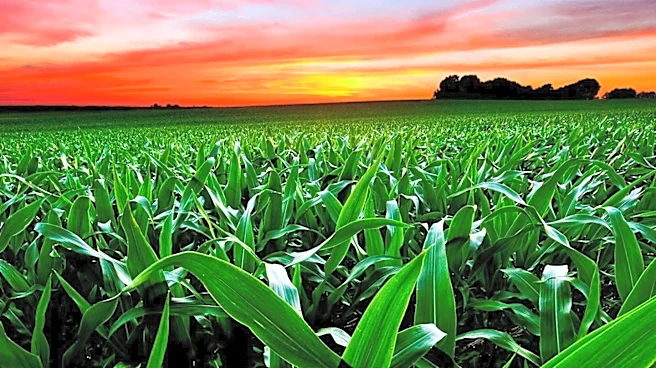
Jonathan Mueke attributed the shortage primarily to inadequate rainfall in key agricultural zones, resulting in a severe limitation of fodder supplies for dairy animals. To mitigate immediate animal feed shortages, government agencies will map out excess fodder reserves held by feed manufacturers nationwide and distribute them to smallholder farmers through cooperative networks. Additionally, the government plans to gazette a duty-free window for the importation of yellow maize specifically for livestock feed processing, aiming to lower manufacturing costs and increase feed availability. The Kenya Dairy Board (KDB) will also inspect payout structures across cooperatives to ensure farmers receive fair pricing for their milk, preventing them from selling to brokers and thus ensuring a steady supply for processors.
Why It's Important?
The milk supply shortage has significant implications for consumers, the dairy industry, and the broader economy. For consumers, it means higher prices and limited access to a staple food product. For the dairy industry, it highlights vulnerabilities in the supply chain, particularly its susceptibility to climate-related factors like drought. The government's intervention aims to stabilize this critical sector, which supports numerous farmers and provides employment across the value chain. By addressing fodder shortages and ensuring fair pricing for farmers, the government seeks to incentivize milk production and prevent farmers from abandoning dairy farming. The proposed strategic milk stabilization fund is a long-term solution designed to create resilience against future supply fluctuations, ensuring consistent availability and price stability. This proactive approach is crucial for food security and the economic well-being of dairy farmers and related businesses.
What's Next?
In the immediate future, the government will proceed with gazetting the duty-free window for yellow maize imports, which is expected to occur next week. This will help alleviate the animal feed crisis. The Kenya Dairy Board will intensify its oversight of cooperative payout structures to ensure fair compensation for farmers, a measure intended to encourage consistent milk supply to formal processing channels. For the long term, the Ministry of Agriculture is planning to establish a strategic milk stabilization fund. This fund will enable the government to purchase and process excess milk into powder during periods of high production (rainy seasons) and release these reserves back into the market during dry spells or shortages. This mechanism is designed to create a buffer against future supply shocks and stabilize both milk prices and availability for consumers and processors.
Beyond the Headlines
The current milk shortage underscores the broader challenges faced by agricultural sectors in the region due to climate change and unpredictable weather patterns. The government's response, particularly the proposed stabilization fund, reflects a strategic shift towards building resilience in critical food supply chains. This move could serve as a model for other agricultural commodities susceptible to seasonal fluctuations and climate impacts. Furthermore, the focus on ensuring fair farmer payouts highlights issues of market equity and the need to protect primary producers within complex value chains. The success of these measures will depend on effective implementation, coordination among various stakeholders, and sustained investment in climate-resilient agricultural practices. It also brings to light the importance of national food security strategies in the face of global environmental changes and economic pressures.