









What's Happening?
Australia has reported its first case of the highly contagious H5N1 bird flu strain on its mainland. The infection was detected in a migratory sea bird in remote Western Australia, marking the spread of this strain to every continent globally. The H5N1 strain is known
for its high mortality rate in birds and potential to infect humans, although human-to-human transmission is rare. The Australian government is likely to implement measures to prevent further spread, including monitoring and controlling bird populations and advising the public on safety precautions.
Why It's Important?
The detection of H5N1 in Australia is significant as it highlights the global reach of this avian influenza strain, which poses a threat to both wildlife and agriculture. The spread of H5N1 can lead to substantial economic losses in the poultry industry due to culling and trade restrictions. Additionally, there is a public health concern, as the virus can occasionally infect humans, leading to severe respiratory illness. The situation necessitates vigilance and preparedness to prevent potential outbreaks and protect both the economy and public health.
What's Next?
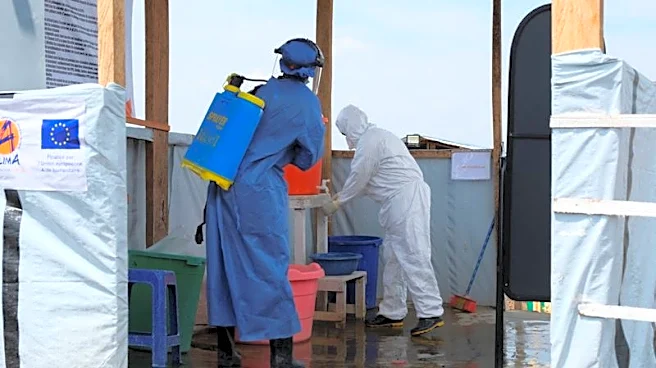
Australia is expected to enhance its surveillance and biosecurity measures to contain the virus. This may include increased testing of wild and domestic birds, as well as public awareness campaigns to inform citizens about the risks and preventive measures. The government might also collaborate with international health organizations to monitor the situation and develop strategies to mitigate the impact of the virus. Stakeholders in the poultry industry will likely be on high alert to prevent outbreaks that could affect production and exports.