








What's Happening?
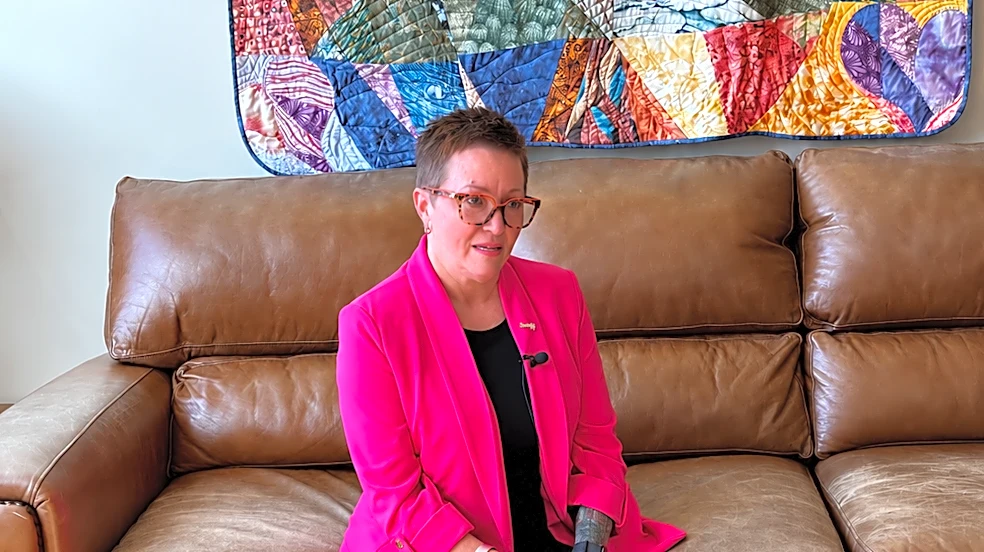
Dr. Kathryn Schmitz, a tenured Professor at the University of Pittsburgh School of Medicine and Deputy Director of Population Sciences for the UPMC Hillman Cancer Center, is leading the RISE study. This research aims to determine the optimal level of supervised
exercise support needed to improve health outcomes for women with early-stage breast cancer. The study will enroll participants in a telehealth-based, home exercise program and compare three levels of virtual coaching support: no supervised sessions, twelve sessions, or twenty-four sessions. Researchers will track participants' medical care use and costs through health records, alongside their physical function, symptoms, and quality of life. The study also seeks to understand patients' preferences for coaching support during treatment. Dr. Schmitz's previous work has already influenced clinical practice, leading to changes in guidelines from organizations like the National Cancer Institute and the American Cancer Society, which now recommend progressive strength training for breast cancer survivors.
Why It's Important?
This research is crucial because while leading medical organizations recommend exercise as part of standard breast cancer care, most patients do not receive referrals, largely due to lack of insurance coverage. Dr. Schmitz's prior work demonstrated that supervised exercise during treatment reduced costly, unplanned medical care by more than the program's cost, presenting a compelling economic argument for coverage. The RISE study aims to identify the most effective and efficient level of support, which is a critical question for patients, health systems, and insurers. By providing clear evidence on the necessary supervision, the study seeks to make the economic case for insurers to cover exercise programs, thereby moving exercise oncology from a research setting into standard, accessible care. This would significantly improve the quality of life, reduce side effects, and support long-term recovery for a greater number of breast cancer patients.
What's Next?
The RISE study will continue to enroll women with early-stage breast cancer and collect data on their medical care use, costs, physical function, symptoms, and quality of life across the three different levels of coaching support. The findings from this study are expected to provide concrete evidence on the optimal amount of supervision required for exercise programs to be beneficial and cost-effective. This evidence will be used to advocate for insurance coverage of exercise oncology programs, aiming to integrate them into standard breast cancer care. Dr. Schmitz and her team will analyze patient preferences for coaching support, which will inform the design and delivery of future exercise interventions. The ultimate goal is to make exercise a routine and accessible part of breast cancer treatment, improving outcomes for more patients and potentially influencing healthcare policies regarding supportive care for cancer survivors.
Beyond the Headlines
The integration of exercise into cancer care, as championed by Dr. Schmitz's research, represents a paradigm shift in how supportive care is viewed within oncology. It moves beyond simply treating the disease to actively promoting patient well-being and long-term health. This approach highlights the growing recognition of lifestyle interventions as powerful tools in managing chronic conditions and improving treatment efficacy. Ethically, it underscores the importance of holistic patient care that addresses not only physical symptoms but also quality of life and functional independence. The economic argument for insurance coverage of exercise programs could set a precedent for other preventive and supportive therapies, potentially reshaping healthcare reimbursement models. Culturally, it challenges the traditional medical model by empowering patients to take an active role in their recovery and long-term health, fostering a more proactive and integrated approach to cancer survivorship.