
What's Happening?
Researchers from the University of California Riverside have discovered potential symbiotic relationships between moss and fungi in California's dryland biocrusts. This finding challenges the long-held
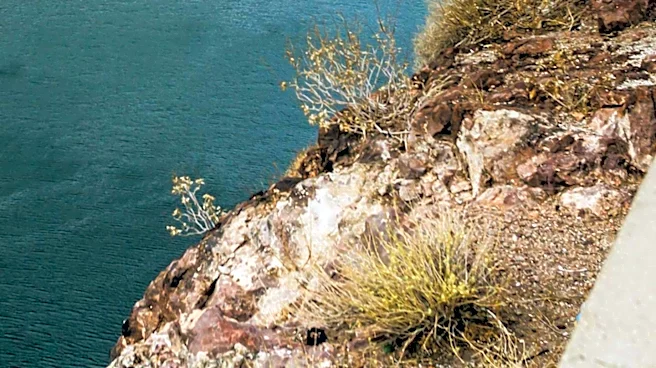
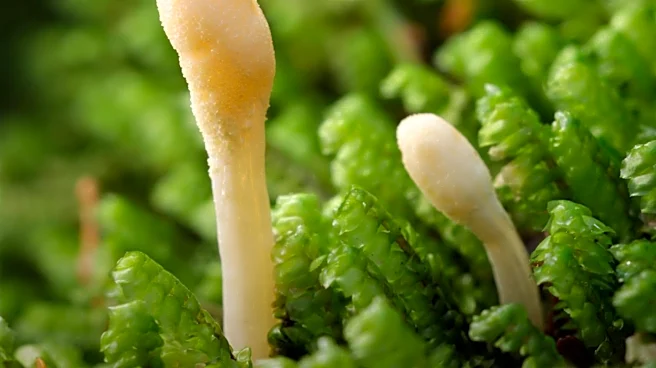
belief that mosses do not form symbiotic relationships with fungi. The study, published in the journal New Phytologist, involved collecting moss samples from the Mojave and Sonoran deserts and analyzing them for fungal DNA. The researchers found mycorrhizal fungi, which typically require a plant host, within the moss. This suggests a possible symbiotic relationship, particularly in harsh desert climates. The discovery could provide insights into plant evolution and the adaptation of life from oceans to land.
Why It's Important?
This discovery has significant implications for understanding plant biology and evolution. If confirmed, the symbiotic relationship between moss and fungi could reshape our knowledge of plant adaptation and survival strategies in extreme environments. This research is crucial as drylands, which cover a significant portion of Earth's surface, are highly susceptible to climate change. Understanding the biological intricacies of moss and its potential symbiosis with fungi could aid in predicting and mitigating the effects of rising aridity. Additionally, this study could enhance our understanding of the origins of life on Earth and inform conservation efforts in vulnerable ecosystems.
What's Next?
Further research is needed to confirm the symbiotic relationship between moss and fungi. This will involve detailed studies to determine if nutrient exchange occurs between the two organisms. If confirmed, this could lead to new strategies for enhancing plant resilience in arid environments. The findings may also prompt additional studies on the role of biocrusts in carbon absorption and climate change mitigation. Researchers will likely continue exploring the evolutionary history of moss and fungi to better understand their ecological roles and potential applications in environmental conservation.