



What's Happening?
The International Energy Agency (IEA) has announced a historic release of 400 million barrels of oil from strategic reserves to stabilize prices amid the ongoing conflict involving the United States, Israel, and Iran. Despite this effort, global oil prices continue
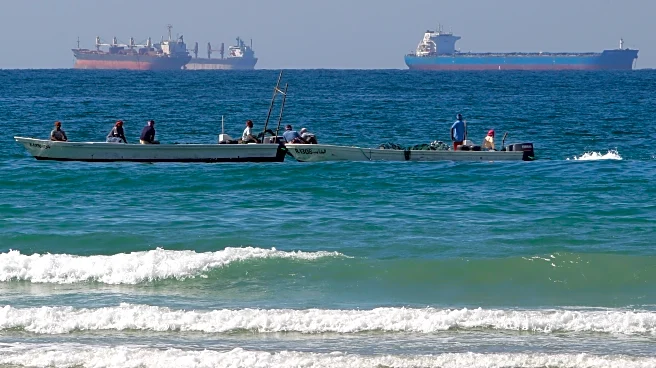
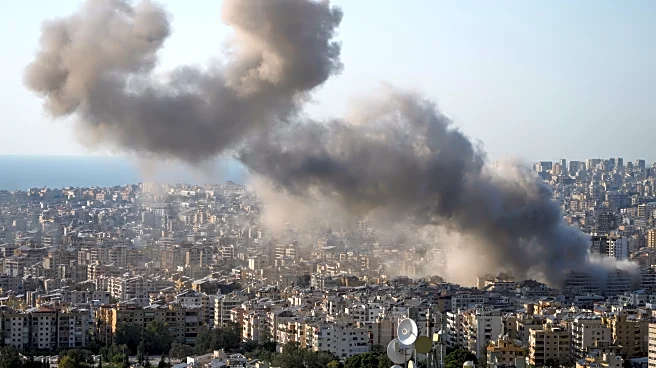
to rise, with Brent crude increasing by 15% following the announcement. The conflict has effectively closed the Strait of Hormuz, a critical chokepoint for global oil supply, exacerbating the situation. Analysts suggest that while the release may provide temporary relief, it is unlikely to significantly lower prices if the strait remains closed. The U.S. Department of Energy plans to release 172 million barrels, while Japan will release 80 million barrels as part of the coordinated effort.
Why It's Important?
The release of strategic reserves is a critical measure to address immediate supply shortages, but its limited impact highlights the vulnerability of global oil markets to geopolitical tensions. The closure of the Strait of Hormuz, through which a significant portion of the world's oil supply passes, poses a severe threat to global energy security. Prolonged disruptions could lead to sustained high oil prices, affecting economies worldwide. The situation underscores the need for diversified energy sources and strategic planning to mitigate the impact of such geopolitical events.
What's Next?
The effectiveness of the IEA's release will depend on the duration of the conflict and the ability to reopen the Strait of Hormuz. If the strait remains closed, oil prices could continue to rise, potentially exceeding $150 per barrel. The U.S. and other IEA member countries may need to explore additional measures to stabilize markets, including diplomatic efforts to resolve the conflict. The situation also calls for a reassessment of global energy strategies to enhance resilience against similar disruptions in the future.