




What's Happening?
Factory workers in Pakistan, producing goods for global brands sold in the U.S. and Europe, are enduring extreme heat conditions exacerbated by climate change, leading to severe health issues and lost wages. An Associated Press investigation revealed
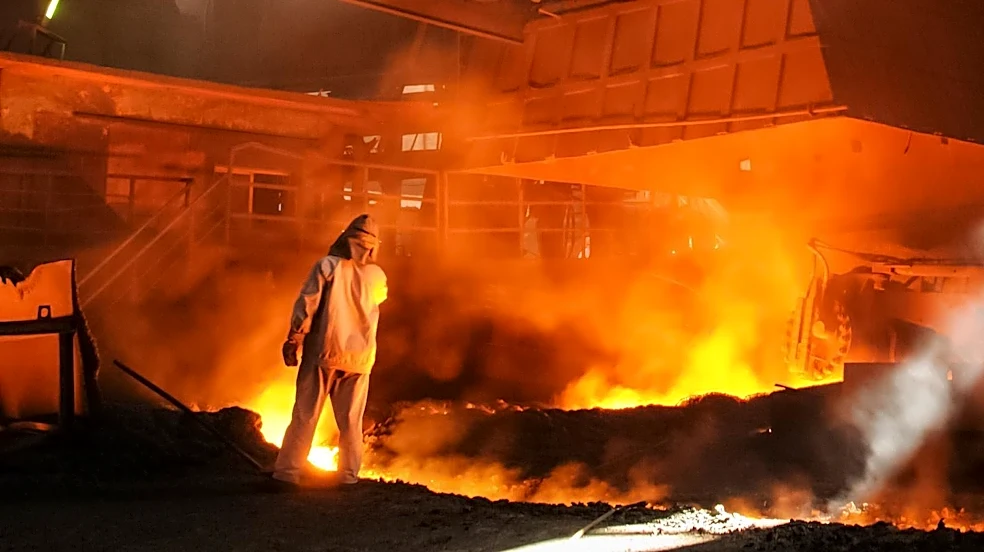
that despite pledges from international companies to ensure worker safety, factories often lack basic heat protection measures. Workers described experiencing temporary muscle paralysis, swollen limbs, blood pressure swings, breathing problems, blurred vision, and exhaustion. Many have fainted on the job, only to be offered short breaks or sugary drinks before being told to resume work. Factories frequently have metal roofs that intensify heat, inadequate ventilation, and provide water that is rarely cold or clean. Most workers reported no heat sensors, and ventilation systems were often only activated during auditor visits. These conditions persist despite national laws and company safety pledges, with enforcement remaining scarce.
Why It's Important?
This situation highlights a critical failure in corporate social responsibility and supply chain oversight by global brands. The health and safety of workers in developing nations are being compromised to maintain production, raising ethical concerns about labor exploitation and human rights. For U.S. and European consumers, this exposes the hidden human cost behind the products they purchase, potentially influencing purchasing decisions and demanding greater transparency from brands. Economically, the lost wages due to heat-related illnesses further impoverish already vulnerable workers, perpetuating cycles of poverty. Politically, it puts pressure on governments in both producing and consuming countries to enforce labor laws and hold corporations accountable, potentially leading to new regulations or trade conditions tied to worker safety standards.
What's Next?
The exposure of these conditions is likely to intensify scrutiny on global brands and their supply chain practices. Companies like Inditex (Zara's parent company) and Mango have stated they are strengthening efforts and updating codes of conduct, but tangible improvements in factory conditions will be the true measure of change. Labor rights advocates and organizations like Climate Rights International will likely continue to pressure brands and governments for stricter enforcement of safety protocols. The International Accord for Health and Safety in the Textile and Garment Industry, which plans to develop heat stress protocols, will be crucial in setting new industry standards. However, given the vastness of industrial zones and the challenges in enforcement, significant improvements may be slow, requiring sustained advocacy and monitoring.
Beyond the Headlines
The plight of Pakistani factory workers under extreme heat reveals a deeper systemic issue of environmental injustice and global economic inequality. Climate change disproportionately affects vulnerable populations, and in this context, it directly impacts the health and livelihoods of those at the bottom of the global supply chain. The narrative also exposes the limitations of voluntary corporate pledges and the need for more robust, legally binding international frameworks for labor protection. Culturally, it challenges the consumerist mindset that often overlooks the origins and production conditions of goods. Ethically, it forces a confrontation with the true cost of fast fashion and other consumer goods, prompting questions about whether current economic models adequately value human life and well-being over profit margins. The 'silent killer' nature of extreme heat also underscores a broader public health crisis that is often underestimated in industrial settings.