






What's Happening?
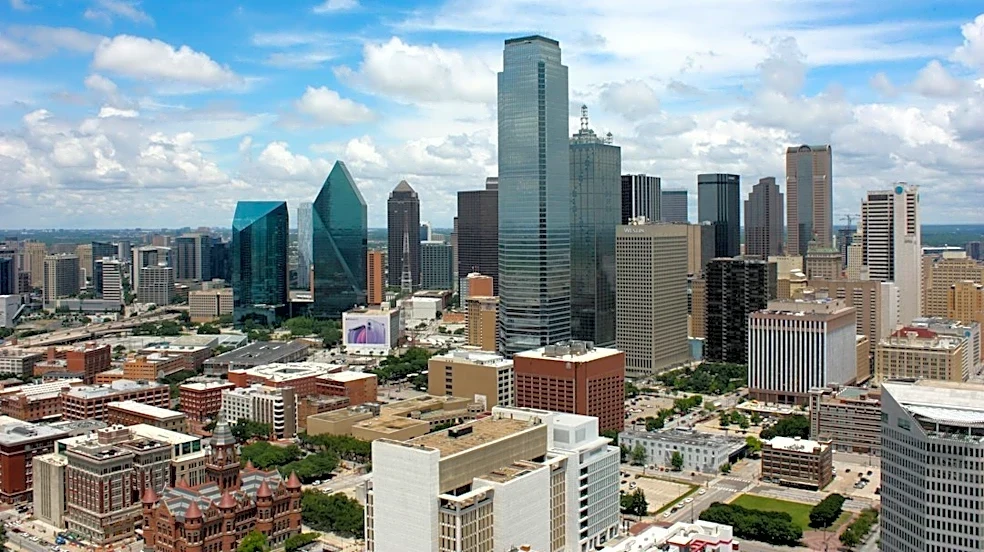
Dallas is revising its resident notices and implementing additional safeguards for its AI-powered camera system, which is used to detect potential code violations. The city began using 50 AI cameras mounted on sanitation trucks in mid-April to scan for issues
like overgrown lawns, debris, and unsafe structures. Since its inception, the system has captured millions of images, leading to 5,318 observations, 2,928 courtesy notices, and 473 field inspections. The changes aim to make notices easier to understand and address concerns about privacy and the process by which images lead to city action. The code department plans to soften the language in courtesy notices, framing them as educational reminders rather than formal warnings. Additionally, notices will include QR codes linking to city resources and will be available in Spanish. The city also clarified that faces and license plates in the images are blurred, and access to the data is limited to authorized staff, with images retained for 12 months.
Why It's Important?
This development is important as it reflects the ongoing challenges and necessary adjustments cities face when integrating artificial intelligence and surveillance technologies into urban management. While the AI camera system aims to improve efficiency in identifying code violations and maintaining city aesthetics, concerns about privacy, data retention, and potential disproportionate targeting of certain neighborhoods are critical. The revisions to resident notices and the implementation of safeguards demonstrate a responsiveness to public and council member feedback, highlighting the importance of transparency and clear communication in civic tech initiatives. The city's efforts to refine the system's accuracy and ensure equitable application are crucial for building trust and ensuring that technology serves the community without infringing on individual rights or exacerbating existing social inequalities. This case serves as a model for other municipalities considering similar AI deployments, emphasizing the need for continuous evaluation and adaptation.
What's Next?
Dallas plans to continue improving the AI system's accuracy, refine how staff review flagged images, and enhance data integration with other city systems. The city will also track how quickly concerns are addressed and report on the program's safeguards and results. Council members have called for an audit of images to verify the effectiveness of privacy protections, and the city's vendor, City Detect, has expanded its blurring technology to cover a person's full image. While no specific timeline was given for these steps, the ongoing adjustments suggest a continuous effort to balance technological efficiency with resident concerns. The success of these revisions will likely influence public perception of AI in urban governance and could serve as a precedent for how other cities implement and manage similar surveillance technologies.
Beyond the Headlines
The implementation of AI cameras for code enforcement in Dallas raises deeper questions about the evolving relationship between technology, governance, and civil liberties. The blurring of faces and license plates is a step towards privacy protection, but the mere act of constant surveillance, even if anonymized, can alter the sense of public space and individual freedom. The debate over whether these cameras disproportionately focus on low-income neighborhoods highlights the potential for algorithmic bias and the need for rigorous oversight to ensure equitable application of technology. This situation also underscores the importance of public engagement and democratic accountability in the deployment of advanced technologies by government. As AI becomes more pervasive in urban environments, cities must navigate the complex ethical landscape to ensure that technological advancements enhance public good without eroding fundamental rights or creating new forms of social control.