


What's Happening?
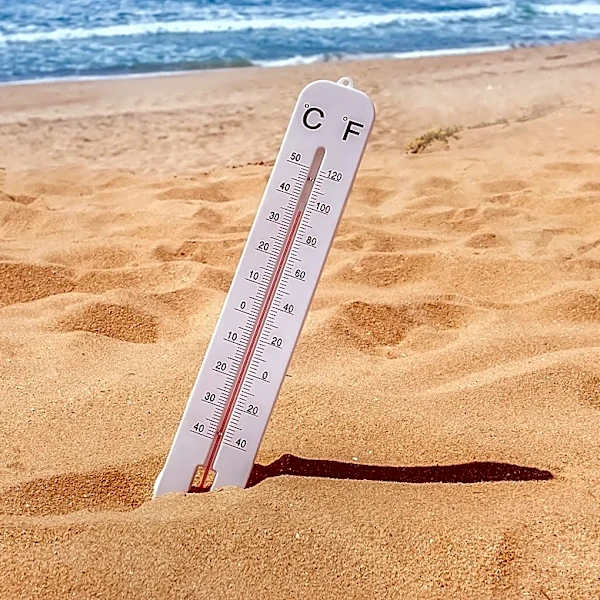
An intense heat dome is affecting the Western United States, placing approximately 45 million people under heat alerts. The National Weather Service has issued warnings for extreme heat risks, particularly in California, Nevada, and Arizona, with temperatures
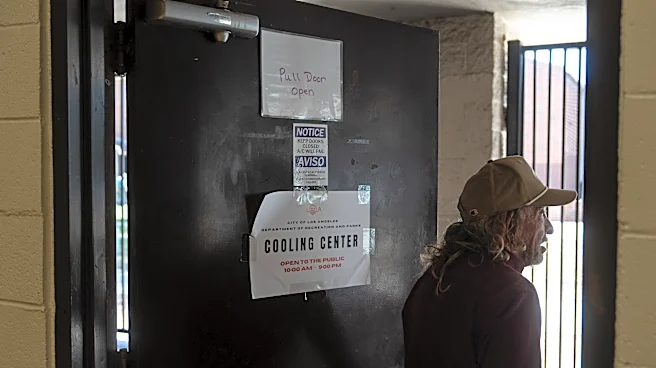
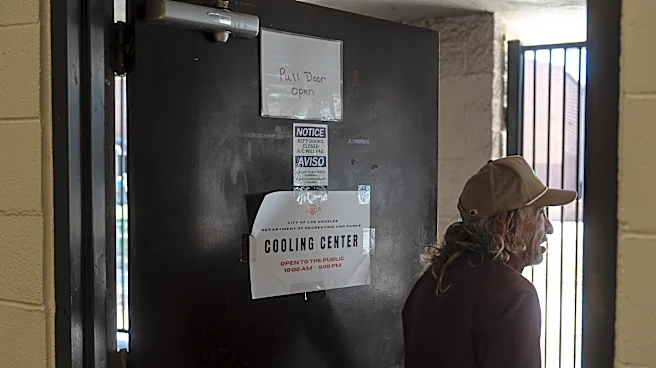
expected to reach 114 degrees in cities like Phoenix and Las Vegas. The heat is exacerbated by high nighttime temperatures, which prevent adequate cooling and increase the risk of heat-related illnesses. Cooling centers have been opened in major cities to help mitigate the public health threat posed by the extreme heat.
Why It's Important?
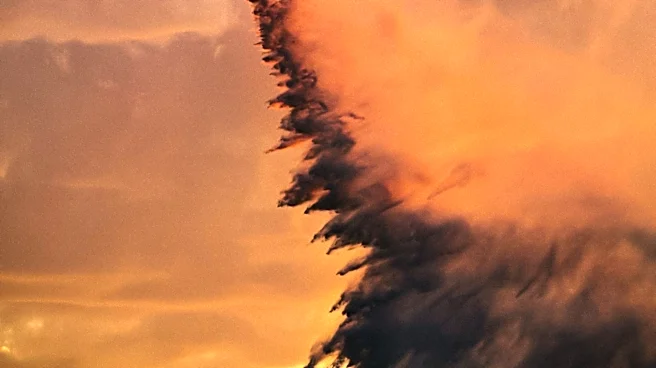
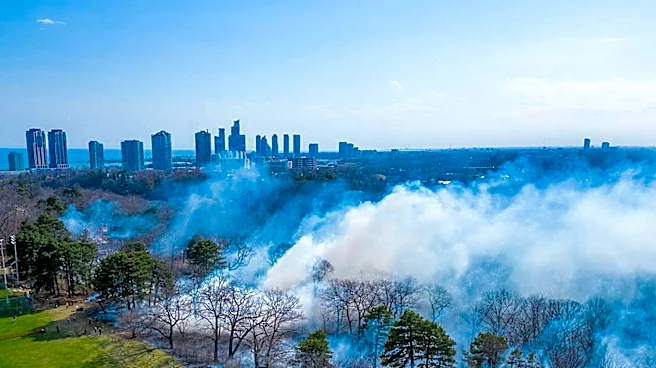
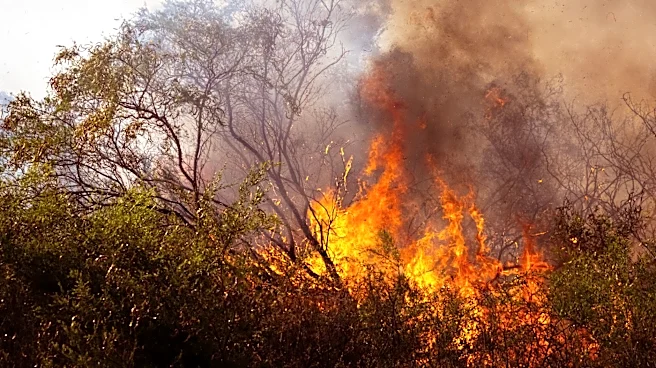
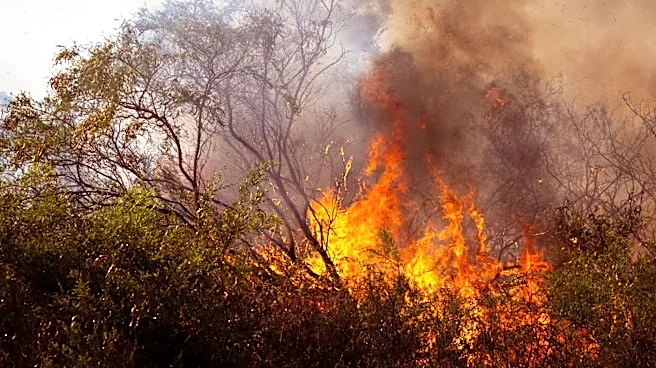
Extreme heat is the leading weather-related cause of death in the U.S., and the current heat dome poses a significant public health risk. The elevated temperatures, especially at night, can lead to increased emergency room visits and strain on healthcare systems. The heat wave is also contributing to heightened fire risks in the Pacific Northwest, where several wildfires are already burning. This situation underscores the broader impacts of climate change, which is making such heat waves more frequent and severe.
What's Next?
The heat wave is expected to persist, with above-average temperatures continuing into the following week. Authorities are likely to maintain or expand heat alerts and cooling center operations. The ongoing fire danger in the Pacific Northwest may lead to further evacuation orders and firefighting efforts. The situation calls for continued public health advisories and potential policy discussions on climate resilience.
Beyond the Headlines
The current heat dome highlights the increasing frequency and intensity of extreme weather events due to climate change. It raises questions about infrastructure resilience, energy consumption, and the need for adaptive measures in urban planning to protect vulnerable populations. The event may also prompt discussions on long-term strategies to mitigate climate change impacts.