





What's Happening?
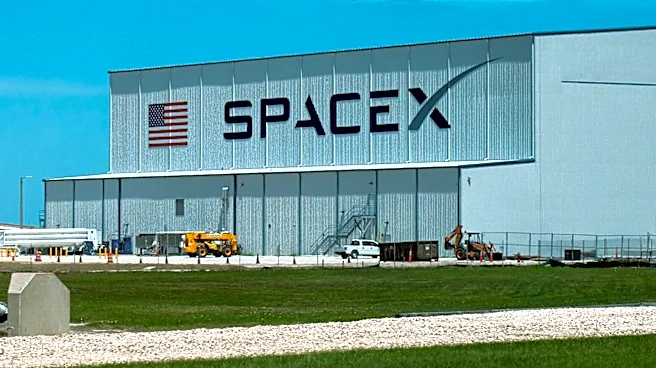
A recent study utilizing NASA satellite data estimates that the SpaceXAI power plant in Southaven, Mississippi, has been emitting nitrogen oxides (NOx) at levels approximately 19 times higher than its permitted limit. The plant, which supplies electricity
to SpaceXAI's data centers in Southaven and Memphis, began operations in late 2025. Researchers from the Massachusetts Institute of Technology and Carbon Mapper, using NASA’s TEMPO instrument, tracked NO2 levels around the plant from August 2025 to August 2026. They found that local average NO2 levels sharply increased after the plant became operational, with emissions averaging about 870 kilograms per hour after February 2026, significantly exceeding the permitted 47 kilograms per hour. The study, titled “Quantifying AI data center nitrogen oxide (NOx) emissions from space,” was posted on arXiv, an online preprint server, and reported by The Daily Memphian. This finding comes shortly after the MDEQ Permit Board voted to uphold the plant's air permit despite resident concerns about pollution.
Why It's Important?
This study highlights significant environmental concerns regarding the rapid expansion of data centers and their associated energy infrastructure. Nitrogen oxides are key components in the formation of ground-level ozone, or smog, which can lead to respiratory issues and other health problems for local populations. The substantial exceedance of permitted emission levels raises questions about the effectiveness of current environmental regulations and monitoring practices, particularly for new and rapidly developing industries like AI data centers. The MDEQ Permit Board's decision to uphold the permit, despite resident concerns and now this study's findings, could erode public trust in regulatory bodies. This situation could also set a precedent for how environmental impacts of large-scale tech infrastructure are assessed and managed in the future, potentially influencing policy decisions on industrial emissions and air quality standards across the U.S.
What's Next?
The findings of this study are likely to intensify scrutiny on the SpaceXAI power plant and the Mississippi Department of Environmental Quality (MDEQ). While the study estimates emissions from space and does not determine if air quality standards were violated at ground level, it provides compelling evidence that could prompt further investigation. Residents and environmental advocacy groups may increase pressure on the MDEQ to re-evaluate the plant's permit and implement stricter monitoring. SpaceXAI may face calls to address the elevated emission levels, potentially requiring investments in additional pollution control technologies or adjustments to their operational practices. The lack of a response from SpaceXAI or MDEQ in the initial report suggests that further statements or actions from these entities are anticipated as the story develops.
Beyond the Headlines
The situation in Southaven underscores a broader challenge in the U.S.: balancing technological advancement and economic growth with environmental protection. As the demand for AI and data processing grows, so does the energy consumption and potential environmental footprint of the necessary infrastructure. This case could become a focal point for discussions on how to sustainably integrate large-scale data centers into communities, particularly concerning their energy sources and emissions. It also highlights the increasing role of satellite technology and independent research in environmental monitoring, providing a new layer of accountability beyond traditional ground-based measurements. The ethical implications of a company's environmental impact versus its economic contributions to a region will likely be a central theme in future debates.