
What's Happening?
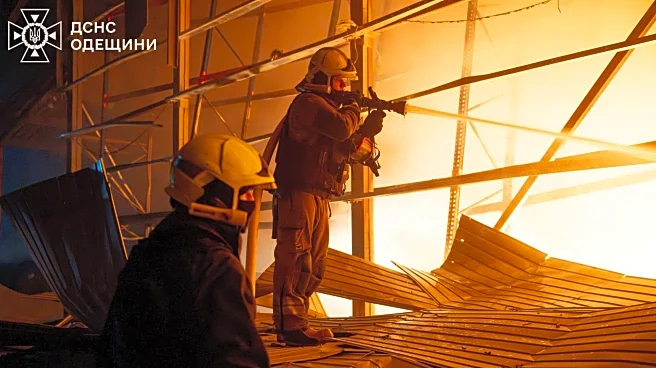
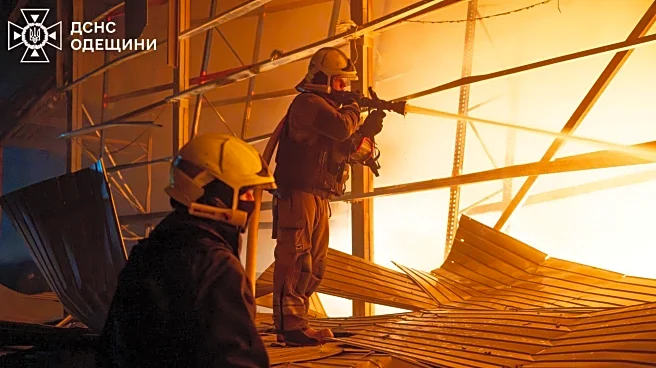
Kazakhstan is actively seeking alternative routes for its oil exports to reduce dependency on Russian territory, following attacks on the Caspian Pipeline Consortium (CPC) facilities at Novorossiysk by
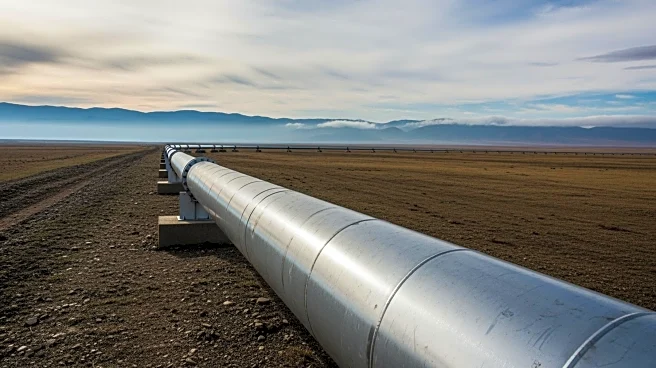
Ukrainian forces. The CPC, which is partially owned by Russia, is a major conduit for Kazakh oil, with about 85% of the oil loaded at its Novorossiysk berths being Kazakh crude. The attacks have prompted Kazakhstan to explore other export options, such as the cross-Caspian Kazakhstan-Baku route. This initiative is in collaboration with Azerbaijan and involves the use of shallow draft tankers like the Liwa and Taraz, which transport oil from Aktau to Baku, from where it can be piped to Ceyhan on the Mediterranean. The strategic move is part of Kazakhstan's broader efforts to diversify its oil export routes and reduce reliance on Russian infrastructure.
Why It's Important?
The shift in Kazakhstan's oil export strategy is significant as it reflects the geopolitical tensions in the region and the impact of the ongoing conflict between Ukraine and Russia. By reducing its dependency on Russian routes, Kazakhstan aims to safeguard its oil exports from potential disruptions caused by military actions or sanctions. This move could also influence global oil markets by altering the flow of oil exports and potentially affecting oil prices. Additionally, the involvement of Western companies like Chevron, ExxonMobil, and BP in Kazakh oilfields underscores the international economic stakes in ensuring stable and secure oil transportation routes. The diversification of export routes could also strengthen Kazakhstan's economic ties with other countries, such as Azerbaijan and Turkey, enhancing regional cooperation and stability.
What's Next?
Kazakhstan's efforts to establish alternative oil export routes are likely to continue, with potential expansions of the cross-Caspian route and further collaborations with regional partners. The success of these initiatives could encourage other countries in the region to explore similar strategies, potentially reshaping the energy landscape in Central Asia. Meanwhile, the ongoing conflict in Ukraine and its impact on Russian oil exports will remain a critical factor influencing Kazakhstan's decisions. The international community, particularly Western investors, will closely monitor these developments, as they could have broader implications for global energy security and geopolitical dynamics.