




What's Happening?
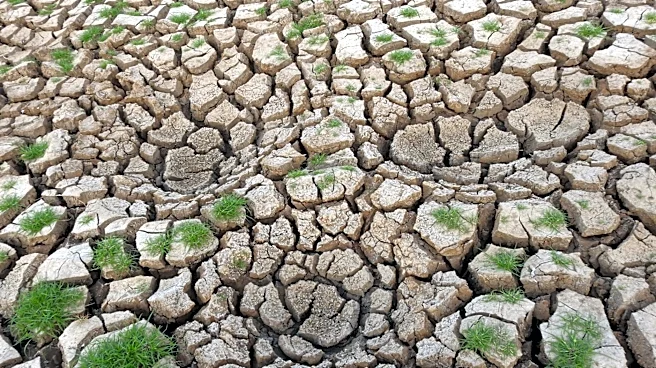
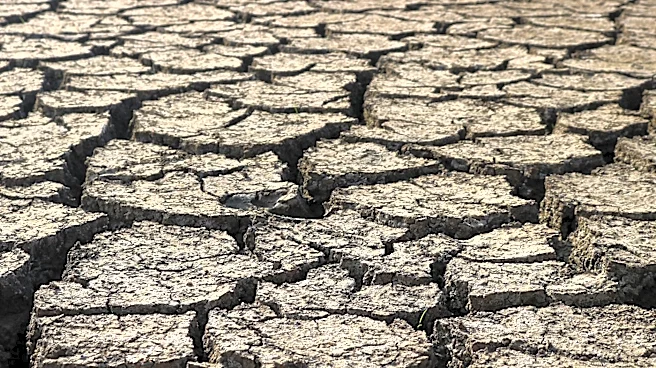
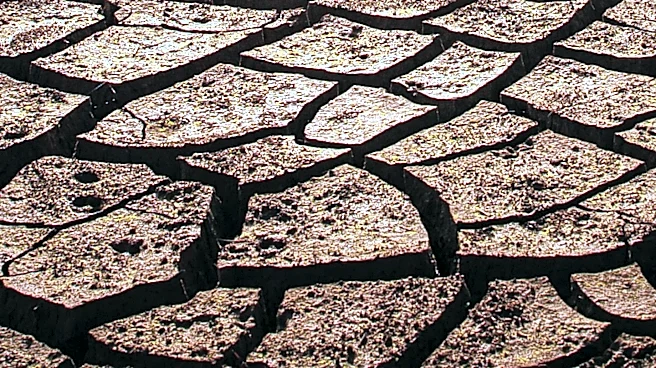
The World Food Programme (WFP) has issued a stark warning that six million people in Somalia, approximately one-third of the nation's population, are experiencing acute hunger or worse. This severe food crisis is attributed to a combination of drought,
ongoing conflict, widespread displacement, escalating food and fuel prices, and a significant reduction in humanitarian assistance. Nearly two million individuals are facing Emergency levels of hunger, indicating their inability to meet basic food needs. Children are particularly vulnerable, with an estimated 1.88 million children under the age of five projected to suffer acute malnutrition in 2026, and nearly 493,000 of these requiring treatment for severe acute malnutrition. The WFP notes that Somalia continues to grapple with one of the world's most severe malnutrition crises, with life-saving nutrition services becoming increasingly limited and preventive nutrition programs being cut nationwide.
Why It's Important?
This escalating humanitarian crisis in Somalia underscores the devastating impact of prolonged instability and environmental challenges on a vulnerable population. The projected acute malnutrition among nearly two million children highlights a potential long-term public health catastrophe, affecting an entire generation's development and future productivity. The reduction in humanitarian funding, coupled with increasing needs, creates a critical gap in aid delivery, forcing agencies like the WFP to make difficult choices about resource allocation. The situation also serves as a stark reminder of the interconnectedness of global issues, where climate change (drought), geopolitical instability (conflict), and economic pressures (rising prices) converge to create severe human suffering. The crisis could lead to further displacement, regional instability, and increased pressure on neighboring countries and international aid organizations.
What's Next?
In response to the deepening crisis, the World Food Programme has launched its Somalia Country Strategic Plan for 2026-2030. This five-year framework aims to address immediate humanitarian needs while simultaneously building Somalia's capacity to tackle the root causes of hunger. The strategy focuses on saving lives, fostering self-reliance, supporting government-led solutions, and collaborating with humanitarian partners in Somalia. The plan is aligned with Somalia's national priorities, seeking to enhance food security and resilience, and develop sustainable pathways to reduce the country's long-term dependence on humanitarian assistance. However, humanitarian agencies continue to warn that declining assistance coincides with rapidly worsening needs, suggesting that millions of vulnerable people may still lack adequate support despite the new strategic plan.
Beyond the Headlines
The crisis in Somalia extends beyond immediate food insecurity, revealing deeper systemic issues related to governance, climate resilience, and international aid effectiveness. The severe cuts in preventive nutrition programs, for instance, indicate a shift from proactive health measures to reactive emergency interventions, which can have profound and lasting consequences on public health infrastructure and community well-being. The struggle of humanitarian agencies with reduced funding highlights a broader challenge in global humanitarian response, where donor fatigue or competing crises can divert essential resources from critical areas. This situation also raises questions about the long-term sustainability of aid-dependent nations and the need for more robust, locally-driven development initiatives that can withstand external shocks and reduce reliance on international assistance.