




What's Happening?
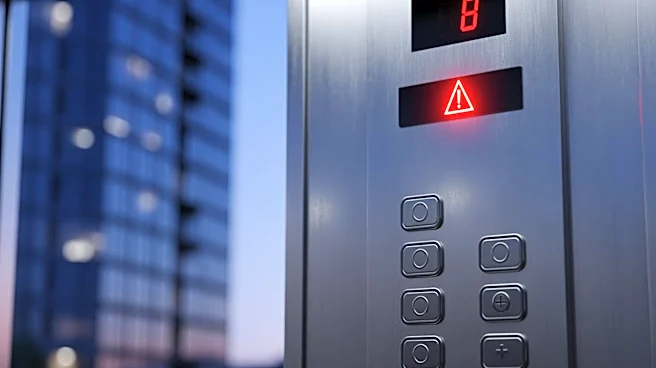
Residents of a high-rise in Queens, New York, are facing ongoing issues with elevator outages, which have become increasingly frightening. Nearly two years after initial reports of elevator problems, tenants on upper floors continue to struggle with unreliable
service. The situation has escalated from frustrating to alarming, as residents express concerns about safety and accessibility. CBS News New York's Elle McLogan revisited Long Island City to investigate the persistent issues and seek answers from building management.
Why It's Important?
The recurring elevator failures in the Queens high-rise highlight critical issues of infrastructure maintenance and tenant safety. Reliable elevator service is essential for accessibility, particularly for residents with mobility challenges or health concerns. The ongoing problems may affect the quality of life for tenants and raise questions about building management's responsibility to ensure safe and functional living conditions. The situation underscores the importance of regulatory oversight and accountability in maintaining residential infrastructure.
What's Next?
Building management may face increased pressure from residents and local authorities to address the elevator issues promptly. Potential next steps could include inspections, repairs, and upgrades to ensure reliable service. Residents may seek legal recourse or advocacy support to hold management accountable for resolving the problems. The situation could also lead to broader discussions on infrastructure investment and maintenance standards in residential buildings across New York City.
Beyond the Headlines
The elevator issues in Queens reflect broader challenges in urban infrastructure management. Aging buildings and inadequate maintenance can lead to safety hazards and accessibility barriers for residents. The situation raises ethical considerations about tenant rights and the obligation of property owners to provide safe living environments. Long-term solutions may require policy changes and increased investment in infrastructure to prevent similar issues in other residential buildings.