
What's Happening?
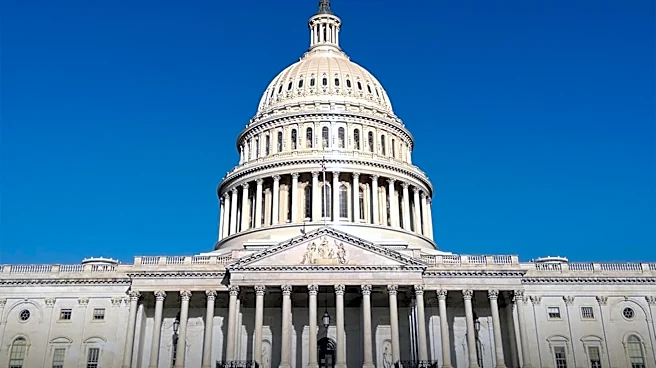
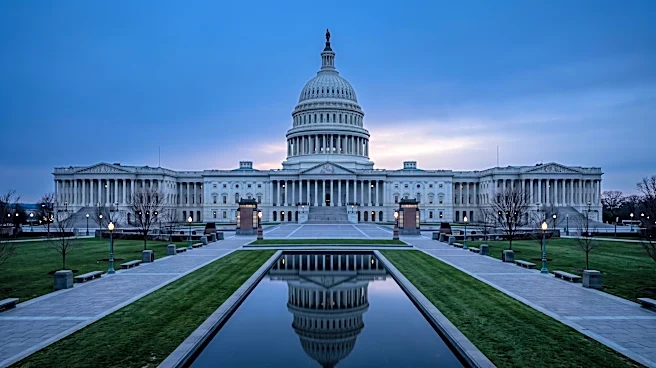
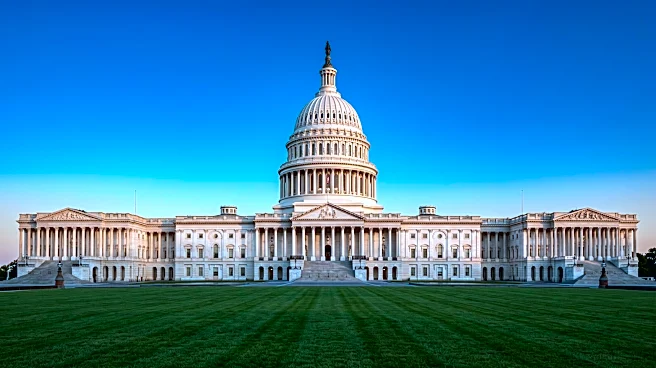
Nearly 700 members of the United Steelworkers (USW) union from across the United States recently converged on Capitol Hill for their annual Rapid Response lobby day. The Steelworkers engaged with elected
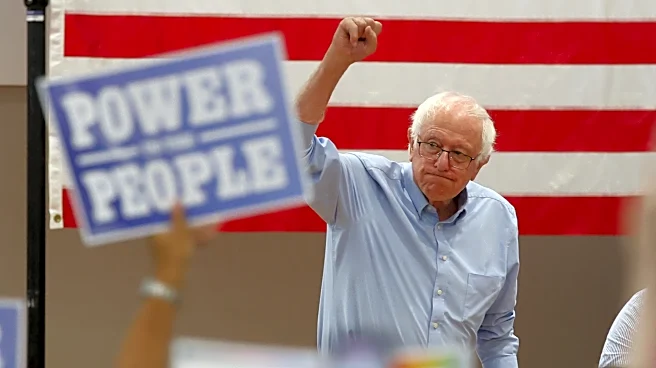
representatives to advocate for the union's key priorities, which include boosting funding for Social Security, prioritizing workplace safety, and facilitating easier access to earned benefits for military veterans. This lobbying effort followed a morning rally on the Capitol lawn and a two-day conference in Washington, D.C., where members received training and information to effectively communicate the union's core values to lawmakers. The event highlighted the USW's long-standing grassroots Rapid Response program, which has been instrumental in achieving victories for workers over three decades. Speakers at the rally included several members of Congress, such as Reps. Nikki Budzinski, Greg Casar, Joe Courtney, Chris Deluzio, and Morgan McGarvey, who expressed solidarity with the union's agenda.
Why It's Important?
This concerted lobbying effort by the United Steelworkers underscores the significant role labor unions play in shaping U.S. public policy and advocating for the economic and social well-being of their members. The union's focus on issues like Social Security funding, workplace safety, and veterans' benefits reflects broader concerns within the American working class regarding economic security and fair treatment. The participation of numerous members of Congress, some of whom are also union members, highlights the political influence of organized labor and its ability to garner support for its legislative agenda. The USW's emphasis on grassroots activism and member-driven initiatives demonstrates a model for how organized groups can effectively engage with the political process to advance their interests, potentially influencing legislation that impacts millions of American workers and their families.
What's Next?
The United Steelworkers will continue to leverage their Rapid Response program to connect, educate, and mobilize their members at both federal and state levels. The union's leadership, including International Vice President Amber Miller and International President Roxanne Brown, has outlined a workers-first agenda for 2026, indicating ongoing advocacy for their priorities. This includes continued efforts to organize more workplaces and bargain for better contracts, alongside their legislative push for worker-friendly laws. The union anticipates facing ongoing challenges from what they describe as "big-money forces" that they believe make workplaces less safe and increase the cost of living for working-class families. Therefore, future actions will likely involve sustained engagement with lawmakers and public campaigns to rebalance economic scales and ensure workers receive a fair share of the wealth they produce.
Beyond the Headlines
The USW's lobbying efforts extend beyond immediate legislative goals, touching upon deeper societal implications regarding the balance of power between labor and capital in the U.S. economy. The union's narrative of workers producing more wealth while the benefits accrue to a "billionaire class" highlights a fundamental debate about economic inequality and the distribution of prosperity. The emphasis on union solidarity as a tool to rebalance these scales suggests a long-term commitment to strengthening the labor movement's influence. This ongoing struggle has cultural dimensions, as it seeks to redefine the value of labor and the rights of workers in a rapidly evolving economic landscape. The success or challenges faced by the USW in achieving its goals could serve as a barometer for the broader labor movement's ability to effect change and address systemic economic disparities in the United States.