

What's Happening?
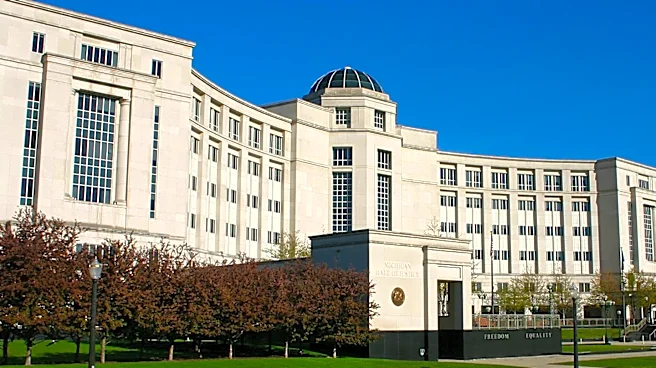
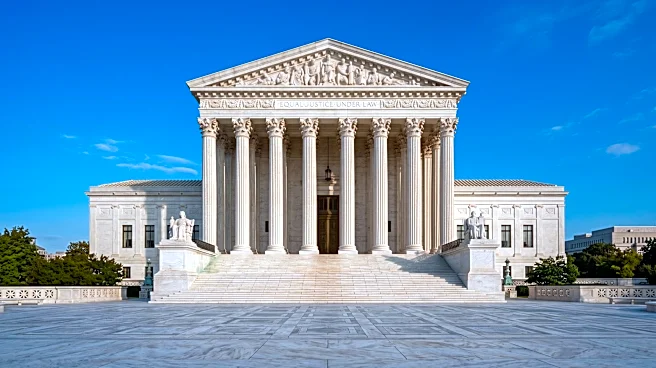
Associate Justice Brett M. Kavanaugh has requested a response from Michigan officials by noon Wednesday regarding an emergency application filed by Americans for Citizen Voting — Michigan. This group, along with Michigan voter Fred Smith, is seeking a Supreme
Court order to place a measure requiring proof of citizenship to vote on the November ballot. The application was submitted to Justice Kavanaugh, who handles such requests from the Michigan region. The state's ballots are expected to be finalized around Friday, and the group claims Michigan's Democratic Secretary of State, Jocelyn Benson, has not specified a 'drop dead date' for finalization. The measure is currently not slated for the ballot due to a deadlock among state officials over signature sufficiency. The applicants previously sought relief from the Michigan Supreme Court, which they contend effectively denied their request by not acting on it, leading them to appeal to the U.S. Supreme Court. They argue that their due process and equal protection rights were violated by the rejection of their ballot measure.
Why It's Important?
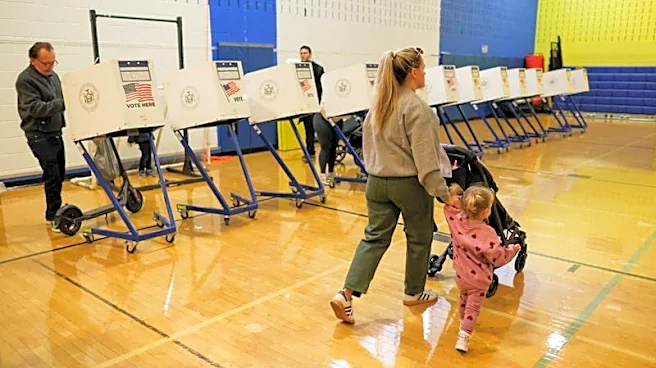
This development is significant for several reasons, primarily concerning voting rights, election integrity, and the role of the Supreme Court in state-level electoral processes. The push for a proof-of-citizenship requirement for voting reflects ongoing national debates about election security and access. If the Supreme Court intervenes and mandates the measure's inclusion on the ballot, it could set a precedent for federal judicial oversight in state election administration, potentially influencing future ballot initiatives across the country. Conversely, a denial of the emergency application would underscore the Court's reluctance to interfere in state electoral matters unless there are clear constitutional violations. The outcome will also highlight the power of a single Justice to influence the initial stages of such high-stakes cases, as Justice Kavanaugh can decide the application independently or refer it to the full Court. This case is part of a broader trend of increased litigation surrounding election procedures, particularly in the lead-up to midterm elections, and could impact voter turnout and the demographic composition of the electorate in Michigan.
What's Next?
Justice Kavanaugh's request for a response by Wednesday noon indicates a swift timeline for potential action. He has the authority to either rule on the emergency application himself or refer it to the full Supreme Court for a decision. The applicants are seeking an order by Thursday to ensure the measure can be included on the November ballot, given the impending finalization of state ballots. Regardless of Kavanaugh's immediate decision, the case could still be brought before the full Court, especially if he refers it or if his individual ruling is challenged. This situation is unfolding alongside other urgent requests on the high court's docket, including one concerning campaign advertising rates. The Supreme Court justices are currently on summer recess but are making decisions on these emergency requests before their next term begins in early October. The outcome will determine whether Michigan voters will face a new requirement to prove citizenship at the polls this November, and it will be closely watched by election integrity advocates and voting rights organizations nationwide.
Beyond the Headlines
The underlying implications of this case extend beyond the immediate ballot measure, touching upon fundamental questions of federalism, judicial activism, and the balance of power between state and federal authorities in election matters. The debate over proof-of-citizenship requirements for voting often involves a tension between ensuring election security and safeguarding voting access, with critics arguing that such measures disproportionately affect minority groups and low-income voters who may face challenges in obtaining required documentation. The Supreme Court's engagement, even at an initial stage, in a state ballot initiative highlights the increasing politicization of judicial processes and the Court's growing role in resolving contentious electoral disputes. This case could contribute to the ongoing discussion about the appropriate scope of judicial review in state election laws and the potential for federal courts to shape the electoral landscape. Furthermore, it underscores the strategic use of emergency applications to the Supreme Court to bypass lower court decisions and influence election outcomes on tight deadlines, raising questions about the procedural fairness and accessibility of such legal avenues.