


What's Happening?
The U.S. Department of State has revoked more than 6,000 visas from foreign nationals involved in or facilitating birth tourism. This action is part of an intensified effort by the Trump administration to combat the practice, which involves individuals
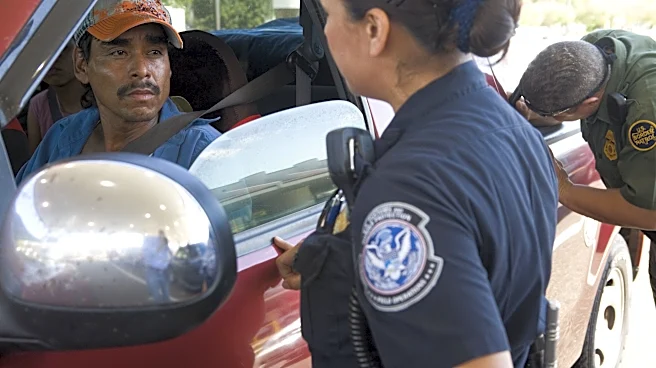
traveling to the U.S. primarily to give birth, thereby securing U.S. citizenship for their child. The Department of State's Birth Tourism Prevention Task Force, established in August 2026, is responsible for identifying and holding accountable those engaged in this activity. The task force cross-references data from various federal agencies, including the Department of Homeland Security, to analyze travel histories and detect suspicious cases globally. Operators promoting birth stays in the U.S., offering visa assistance, and helping applicants conceal their true travel motives are specifically targeted. The department also cites false statements in visa applications and deceptive itineraries as grounds for revocation. Official guidelines state that traveling to the U.S. primarily for childbirth to obtain citizenship is not a valid reason for a visitor visa.
Why It's Important?
This aggressive stance by the U.S. Department of State signifies a significant escalation in the Trump administration's efforts to curb birth tourism. The revocation of over 6,000 visas demonstrates a concrete commitment to enforcing existing immigration laws and policies. This move impacts foreign nationals who have utilized or facilitated birth tourism, potentially leading to increased scrutiny for future visa applicants from certain regions. For U.S. immigration policy, it reinforces the government's interpretation of visitor visa regulations, emphasizing that the primary intent of travel must align with the visa category. The crackdown also sends a strong message to commercial networks that facilitate birth tourism, indicating that their operations are under federal investigation and subject to legal repercussions. This could lead to a reduction in such services and a chilling effect on individuals considering birth tourism, ultimately affecting the number of children born in the U.S. to non-resident parents.
What's Next?
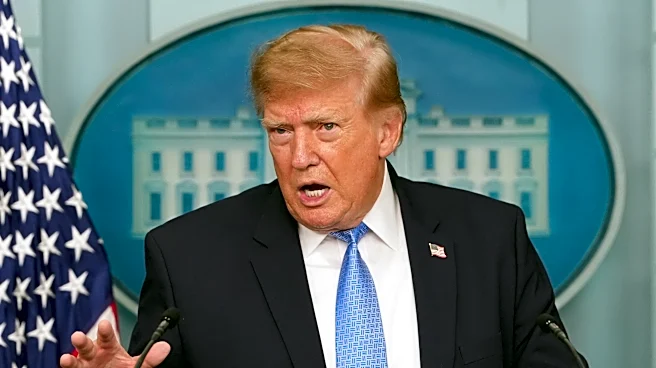
The Department of State's task force is expected to continue its efforts to identify and revoke visas from individuals involved in birth tourism. This ongoing enforcement will likely lead to further visa revocations and investigations into facilitating networks. The August 2026 executive order signed by President Trump, which directed federal agencies to strengthen the fight against birth tourism, provides a framework for continued action, including potential entry restrictions and actions against organizations that facilitate the practice. Secretary of State Marco Rubio's announcement in September of new visa restrictions targeting those who knowingly participate in or facilitate birth tourism indicates a sustained focus on this issue. Future actions may include increased data sharing among federal agencies, more stringent visa interview processes for pregnant applicants, and potential legal actions against individuals or businesses operating birth tourism schemes. The administration's continued emphasis suggests that this will remain a priority, potentially leading to further policy adjustments or enforcement measures.
Beyond the Headlines
The intensified crackdown on birth tourism raises broader questions about birthright citizenship in the U.S., a concept enshrined in the 14th Amendment. While the current actions focus on visa fraud and the intent of travel, the underlying debate about whether children born on U.S. soil to non-citizens should automatically receive citizenship remains a contentious political and legal issue. This enforcement could be seen as a step towards re-evaluating or challenging the interpretation of birthright citizenship, even if indirectly. Ethically, the policy raises concerns about the treatment of pregnant women and potential discrimination during visa processing. Legally, future challenges could arise regarding the scope of executive authority in immigration matters and the due process rights of visa holders. Culturally, it reflects a broader national conversation about immigration, national sovereignty, and the perceived integrity of the U.S. immigration system, potentially influencing public opinion and future legislative debates on immigration reform.