
What's Happening?
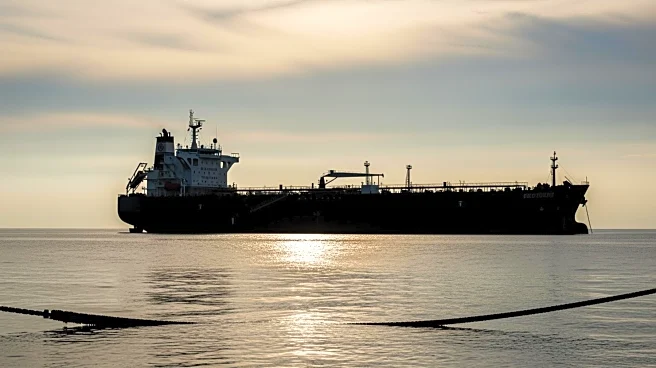
The United States has seized an oil tanker, the Skipper, off the coast of Venezuela, marking a significant escalation in efforts to curb illegal oil trade. The tanker, previously known as the M/T Adisa,
was sanctioned by the U.S. in November 2022 for its involvement in smuggling crude oil for Iran's Revolutionary Guard and Hezbollah. The seizure is part of a broader U.S. campaign to disrupt a network of tankers that operate under false flags and registrations to evade sanctions. These vessels, often referred to as a 'shadow fleet,' are used by countries like Venezuela, Russia, and Iran to bypass international sanctions and sell oil on the black market. The Skipper was reportedly carrying about 2 million barrels of crude oil, some of which belonged to a Cuban state-run oil importer.
Why It's Important?
This action by the U.S. underscores the ongoing geopolitical tensions surrounding oil trade and sanctions. By targeting the shadow fleet, the U.S. aims to cut off vital revenue streams for regimes like that of Venezuelan President Nicolás Maduro, who relies heavily on oil exports. The seizure could deter other operators from engaging in similar activities, potentially reducing the flow of illicit oil into global markets. However, this move also risks increasing oil prices, as it could lead to a reduction in supply. The crackdown highlights the U.S.'s commitment to enforcing sanctions and could have broader implications for international trade and diplomatic relations, particularly with countries that continue to engage with sanctioned nations.
What's Next?
The seizure of the Skipper may signal the beginning of a more aggressive U.S. strategy to enforce sanctions on Venezuela and other countries using similar tactics. This could lead to further seizures and increased scrutiny of maritime activities in the region. The Venezuelan government, which has condemned the seizure as an act of piracy, may seek to challenge the U.S. actions through diplomatic channels or international legal forums. Additionally, the impact on oil prices will be closely monitored, as any significant disruptions could affect global markets and domestic fuel costs in the U.S. The situation may also prompt other countries involved in the shadow fleet to reconsider their strategies to avoid similar repercussions.