




What's Happening?
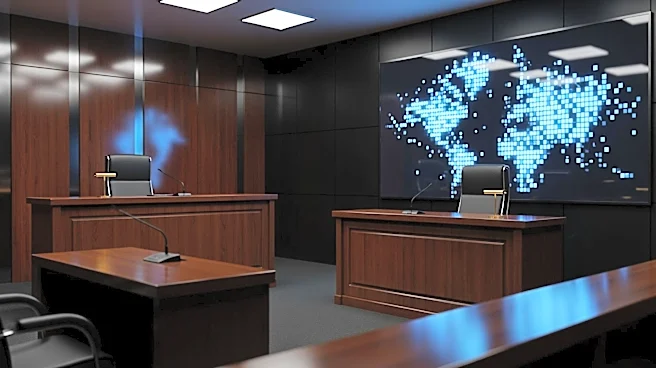
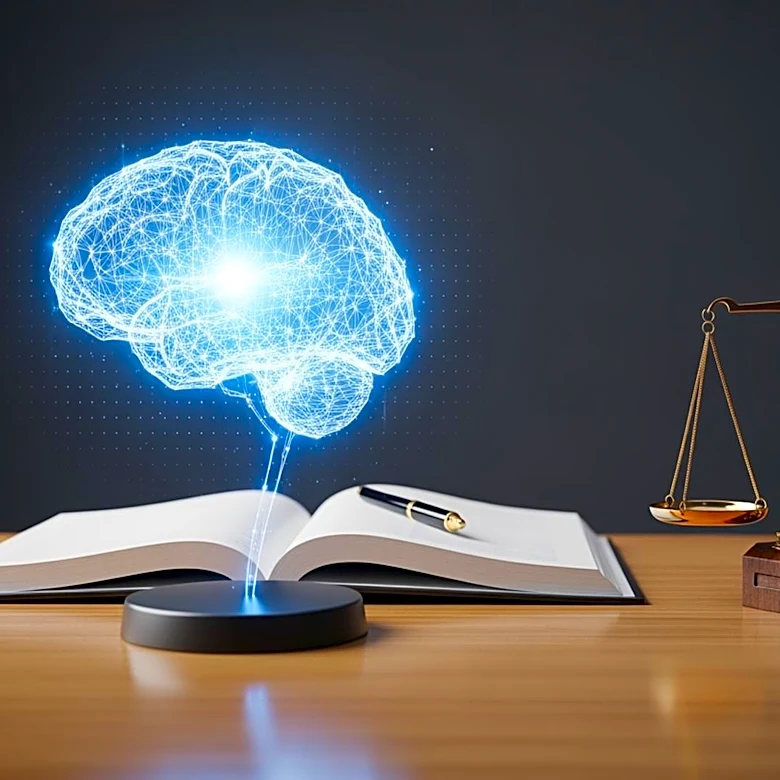
Deepfakes, realistic digital fabrications of audio, video, and images, are becoming a significant concern in U.S. courtrooms. As these technologies advance, they threaten to complicate legal proceedings by making it difficult to distinguish between authentic
and manipulated evidence. Legal experts, including Stephen Embry, emphasize the need for lawyers to enhance their skills in verifying digital evidence. The traditional methods of authenticating evidence may no longer suffice, requiring more rigorous proof and possibly expert testimony to establish authenticity. This shift could lead to longer, more complex trials as courts grapple with the challenges posed by deepfakes.
Why It's Important?
The rise of deepfakes has profound implications for the U.S. legal system. As digital evidence becomes increasingly suspect, the integrity of legal proceedings could be compromised, potentially leading to wrongful convictions or acquittals. This situation necessitates a reevaluation of evidentiary standards and could result in increased costs and time for litigation. The legal profession must adapt by developing new strategies to authenticate digital evidence, ensuring that justice is served in an era where seeing is no longer believing. The broader societal impact includes a potential erosion of trust in digital media, affecting public perception and confidence in legal outcomes.
What's Next?
Courts may soon require more stringent authentication processes for digital evidence, potentially involving metadata analysis and expert testimony. Legal professionals will need to stay informed about technological advancements and develop new skills to effectively challenge or defend digital evidence. This evolution in courtroom procedures could lead to legislative changes aimed at addressing the challenges posed by deepfakes. As the legal system adapts, ongoing education and collaboration with technology experts will be crucial to maintaining the integrity of judicial processes.