



What's Happening?
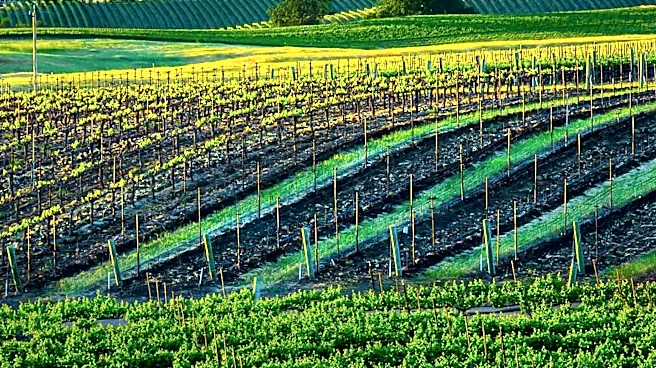
Christian Frederick Baiz III, founder of the Old Field Vineyard in Southold, New York, passed away in February 2025, marking the end of an era for the vineyard. Baiz, who had a deep connection to the land, was instrumental in the development of the North
Fork's viticulture industry. He planted his first vines in 1974, becoming one of the pioneers in the region. The vineyard, which was a family-run business, closed in November 2025 following the sale of the property for $13 million. The future of the land remains uncertain, but the sale marks the end of a significant chapter in Long Island's wine history.
Why It's Important?
The closure of the Old Field Vineyard represents a significant shift in the local viticulture landscape. As one of the early vineyards in the North Fork, it played a crucial role in establishing the region as a notable wine-producing area. The sale of the property and the subsequent closure of the vineyard could impact local tourism and the economy, as vineyards are a major draw for visitors. Additionally, the loss of a family-run business highlights broader trends in the industry, where smaller operations face challenges from larger corporate entities.
What's Next?
The future of the Old Field property remains uncertain, with no clear indication of whether it will continue as a vineyard. The sale could lead to redevelopment or repurposing of the land, potentially altering the local landscape and economy. Stakeholders in the region, including other vineyard owners and local businesses, may need to adapt to changes in tourism patterns and consumer preferences. The closure also raises questions about the sustainability of family-run vineyards in the face of increasing competition and market pressures.
Beyond the Headlines
Christian Baiz's legacy extends beyond viticulture, as he was deeply involved in local agricultural and wine council activities. His passing and the vineyard's closure may lead to a reevaluation of the support systems available to small-scale farmers and winemakers in the region. The story underscores the importance of preserving local heritage and the challenges faced by family businesses in maintaining operations across generations.