


What's Happening?
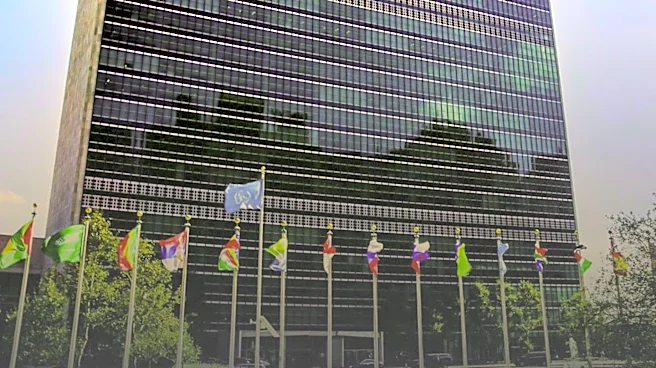
The United Nations recently commemorated the International Day of Older Persons under the theme 'The Age of Longevity: Rethinking Systems for Longer Lives.' Arjanita Elezaj, Chair of the UNIDOP 2026 Programme Sub-Committee, highlighted the importance
of ensuring that longer lives translate into opportunities for health, connection, engagement, learning, and living with dignity and purpose. She stressed the need for services supporting prevention, mental health, mobility, and quality of life, alongside addressing loneliness and isolation. Elezaj also pointed out the necessity of age-friendly homes, neighborhoods, and transportation. Furthermore, she advocated for older persons who wish to work to have access to decent employment free from age discrimination, and for retirees to do so with security and dignity. Argentinian Ambassador Francisco Fabian Tropepi emphasized linking health policy with social protection, and employment with economic security, while Chilian Ambassador Roberto Ampuero Espinoza, Chair of the Group of Friends of Older Persons, reiterated the group's commitment to dialogue and cooperation to support the well-being of older individuals.
Why It's Important?
This commemoration underscores a growing global recognition of the demographic shift towards an aging population and the associated societal challenges and opportunities. For the U.S., where the older adult population is steadily increasing, the discussions at the UN highlight critical areas for policy development and resource allocation. The emphasis on accessible services, age-friendly infrastructure, and combating age discrimination directly impacts U.S. public policy debates concerning healthcare, urban planning, and labor laws. Ensuring dignity and purpose for older Americans can lead to a more engaged and productive segment of society, potentially reducing healthcare burdens and fostering economic contributions. Conversely, failing to address these issues could exacerbate social inequalities, strain public services, and lead to a decline in the quality of life for a significant portion of the population. The call for integrated policies across health, social protection, and economic security resonates with ongoing efforts in the U.S. to create comprehensive support systems for its aging citizens.
What's Next?
The discussions at the UN are expected to inform and influence national policies and international cooperation on aging. Member States, including the U.S., will likely continue to review and adapt their strategies to better support older populations. The upcoming 25th Anniversary of the Madrid International Plan of Action on Aging, as mentioned by Ambassador of Saudi Arabia Abdulaziz M. AlWasil, will serve as a crucial moment to strengthen its implementation and integrate aging considerations into broader development strategies. This could lead to increased funding for programs targeting older adults, enhanced research into age-related issues, and the development of new technologies and services designed to improve their quality of life. Advocacy groups and civil society organizations are also expected to leverage these international discussions to push for more robust national policies and greater public awareness regarding the rights and needs of older persons.
Beyond the Headlines
The 'Age of Longevity' theme touches upon profound societal shifts beyond immediate policy changes. It challenges deeply ingrained stereotypes and ageism, which, as Elezaj noted, remain significant barriers. The conversation extends to the ethical implications of how societies value and integrate their older members, moving beyond a view of aging as solely a period of decline. It prompts a re-evaluation of social contracts, intergenerational solidarity, and the very definition of productivity and contribution in later life. The economic dimension is also critical, as accumulated disadvantages throughout a woman's life, such as lower wages and unequal access to property, can translate into poverty and dependence in old age, making them more vulnerable to violence. This broader perspective encourages a holistic approach to aging, recognizing its multifaceted impact on human rights, economic stability, and social cohesion.