








What's Happening?
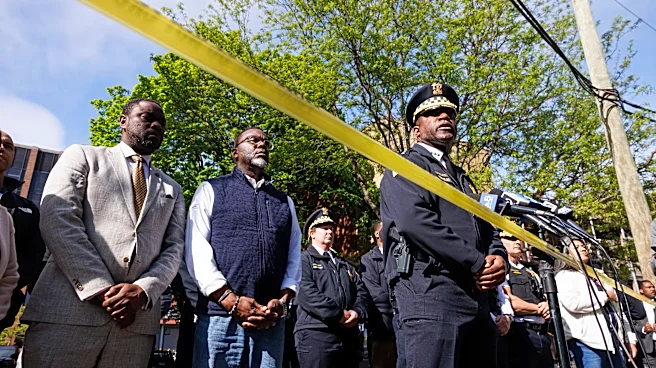
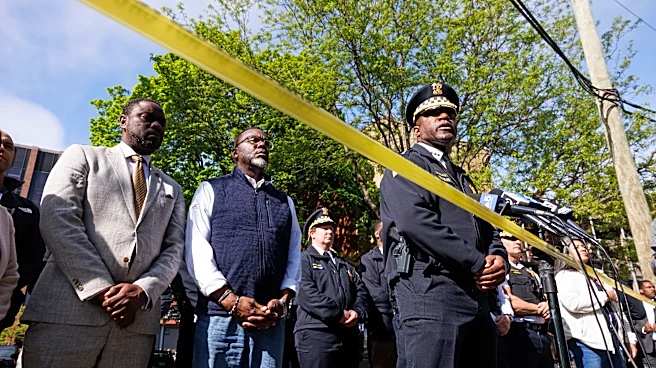
The Chicago Police Department (CPD) is under scrutiny following a workforce allocation study that highlights inefficiencies in the deployment and supervision of its officers. The study, released in March, is part of the city's compliance with a federal
consent decree. It reveals that while the CPD is large in numbers, its personnel are not always deployed effectively across neighborhoods. A significant issue identified is the lack of consistent supervision, with some officers not reporting to the same sergeant regularly. The recommended officer-to-sergeant ratio is 10:1, but in CPD, it can be as high as 20:1, leading to inadequate supervision. This situation results in sergeants being stretched too thin, unable to manage their teams effectively, and failing to address issues before they escalate. The report suggests that better deployment and proactive policing could improve public safety without increasing the force size.
Why It's Important?
The findings of the workforce allocation study have significant implications for public safety in Chicago. Ineffective deployment and supervision of police officers can lead to increased crime rates and public dissatisfaction. The lack of consistent supervision means that officers may not receive the guidance needed to handle complex situations, potentially leading to more incidents of police misconduct. This not only affects community trust but also results in costly legal settlements for the city. In 2023, Chicago paid $175 million in settlements related to police misconduct, highlighting the financial burden of not addressing these internal issues. Improving the CPD's internal management could enhance public safety, reduce legal costs, and restore community trust in law enforcement.
What's Next?
The city of Chicago faces the challenge of implementing the recommendations from the workforce allocation study. This includes reallocating existing staff, filling vacancies, and potentially hiring additional personnel. However, these changes require financial investment, which may be difficult given the city's budget constraints. The CPD and city officials will need to balance the costs of reform with the potential benefits of improved public safety and reduced legal liabilities. Additionally, collective bargaining agreements may impact the implementation of these changes. The city must also consider the emotional toll on officers, as highlighted by the recent line-of-duty death of Officer John Bartholomew, and ensure that reforms support the well-being of its police force.