






What's Happening?
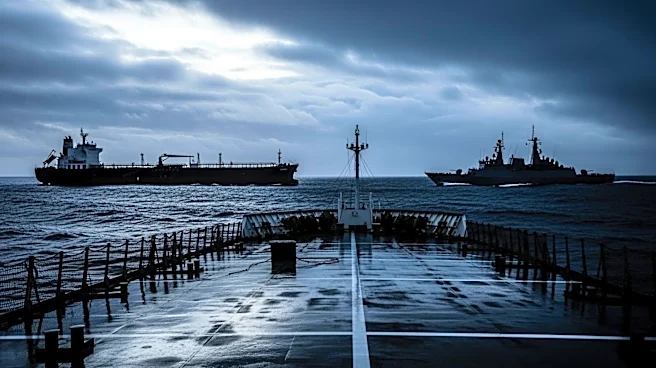
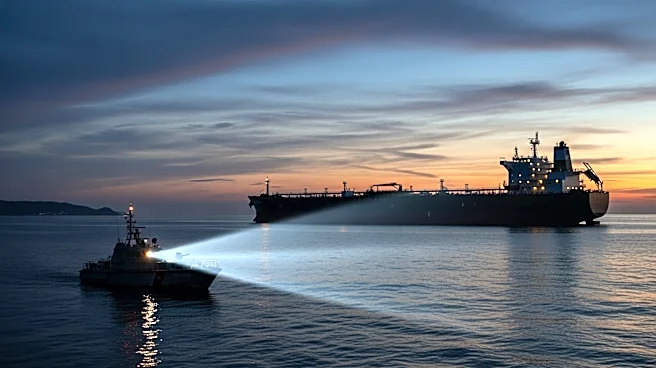
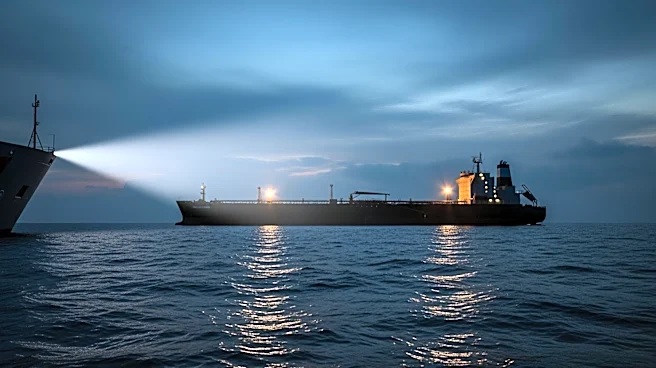
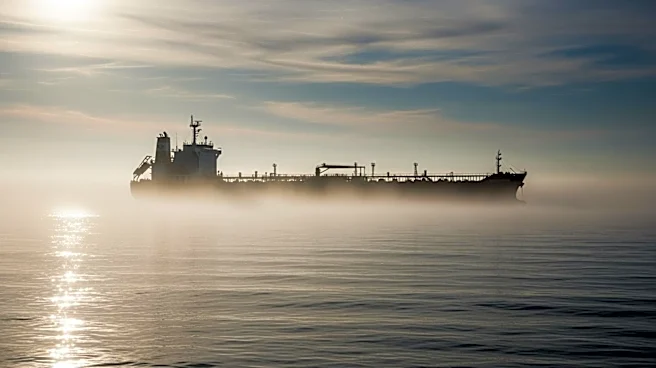
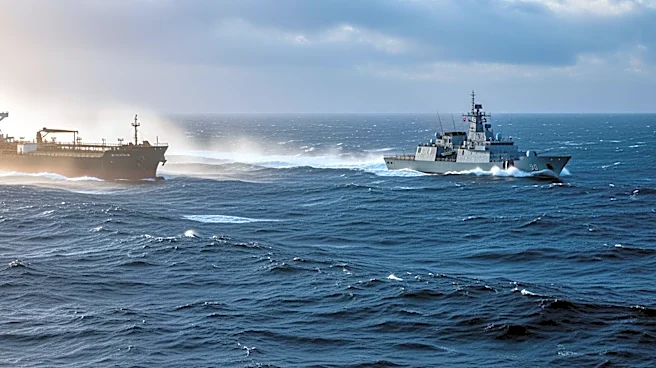
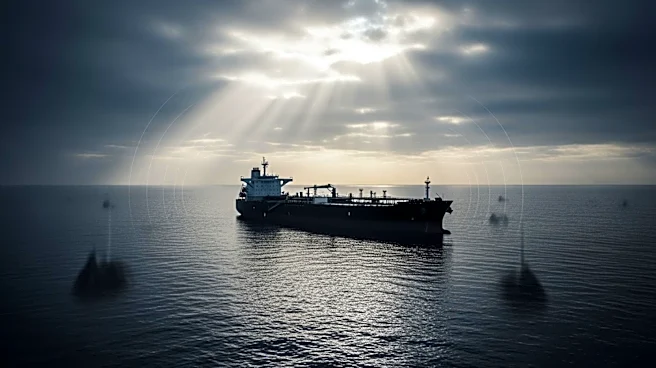
The French Navy, with assistance from the United Kingdom, intercepted an oil tanker named Tagor, which was under international sanctions and traveling from Russia. This action is part of ongoing efforts by countries supporting Ukraine to curb Russian
oil exports that finance President Vladimir Putin's war efforts. French President Emmanuel Macron announced the interception, highlighting that the tanker was boarded in the Atlantic by French troops descending from a military helicopter. The tanker, suspected of operating under a false flag, was traveling from Murmansk, Russia, and was intercepted over 400 nautical miles west of France. The French navy is escorting the tanker for further checks, and a criminal investigation has been opened against the captain for failing to provide proof of nationality and refusing to comply with orders.
Why It's Important?
This interception underscores the international community's commitment to enforcing sanctions against Russia, aiming to cut off financial resources that support its military actions in Ukraine. Oil revenue is crucial for Russia's economy, and by targeting these shipments, countries like France and the U.K. are attempting to weaken Russia's economic stability and its ability to sustain the war. The interception also highlights the challenges of enforcing maritime sanctions, as Russia reportedly uses a 'shadow fleet' to evade these restrictions. The incident may strain diplomatic relations, as Russia has labeled such actions as bordering on piracy, potentially escalating tensions between Russia and Western nations.
What's Next?
The intercepted tanker is being escorted for further inspection, and the French authorities have initiated a criminal investigation. This could lead to legal proceedings against the vessel's captain and further diplomatic exchanges between France and Russia. The international community may continue to enhance surveillance and enforcement measures to prevent sanction evasion. Additionally, this incident might prompt discussions on strengthening maritime laws and international cooperation to address similar challenges in the future.